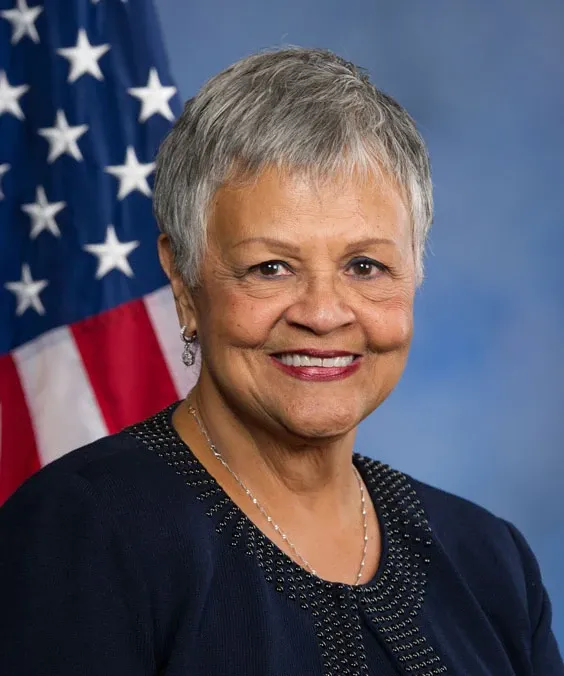
Woodrow Wilson
The Public Record
Woodrow Wilson was the 28th President of the United States, serving from 1913 to 1921. A member of the Democratic Party, he was born in Virginia and raised in Georgia before moving to New Jersey, where he became a prominent political figure. Wilson was a key leader of the Progressive Movement, advocating for reforms such as antitrust legislation and the establishment of the Federal Reserve System. His presidency is also noted for significant events such as the United States' involvement in World War I and his efforts to promote the League of Nations, an international organization aimed at preventing future conflicts.
Sep 3, 1916
We will only keep the door open for them always, and a hearty welcome, —after we have recognized them.
Sep 3, 1916
The test of every American must always be, not where he is, but what he is.
Sep 3, 1916
Nature pays no tribute to aristocracy, subscribes to no creed of caste, renders fealty to no monarch or master of any name or kind.
Sep 3, 1916
No more significant memorial could have been presented to the nation than this.
Sep 3, 1916
How eloquent this little house within this shrine is of the vigor of democracy!
Sep 1, 1916
I shall seek, as I have always sought, to purge my heart and purpose of every personal and of every misleading party motive.
Sep 1, 1916
Boasting is always an empty business, which pleases nobody but the boaster.
Aug 31, 1916
By virtue of the power in me vested by the Act of Congress approved June fourth, eighteen hundred and ninety-seven, I do proclaim that the boundaries of the Tahoe National Forest in California are hereby changed.
Aug 28, 1916
To undertake to arbitrate the question of the adoption of an eight-hour day in the light of results merely estimated and predicted would be to undertake an enterprise of conjecture.
Aug 28, 1916
I felt warranted in assuring them that no obstacle of law would be suffered to stand in the way of their increasing their revenues to meet the expenses resulting from the change.
Aug 28, 1916
I was seeking to compose the present in order to safeguard the future.
Aug 28, 1916
A situation had to be met whose elements and fixed conditions were indisputable.
Aug 28, 1916
I unhesitatingly offered the friendly services of the administration to the railway managers to see to it that justice was done the railroads in the outcome.
Aug 28, 1916
The whole presumption of modern experience would, it seemed to me, be in its favor, whether there was arbitration or not.
Jul 12, 1916
No man has ever risen to the real stature of spiritual manhood until he has found that it is finer to serve somebody else than it is to serve himself.
Jul 12, 1916
The most that America can hope to do is to show, it may be, the finest example, not the only example, of the things that ought to benefit and promote the progress of the world.
Jul 12, 1916
No nation can live without vision, and no vision will exalt a nation except the vision of real liberty and real justice and purity of conduct.
Jul 12, 1916
I have come here for the simple purpose of expressing my very deep interest in what these conferences are intended to attain.
Jul 12, 1916
It is not fair to the great multitudes of hopeful men and women who press into this country from other countries that we should leave them without that friendly and intimate instruction which will enable them very soon after they come to…
Jul 12, 1916
The object of the law is that there, written upon these pages, the citizen should read the record of the experience of this state and nation.
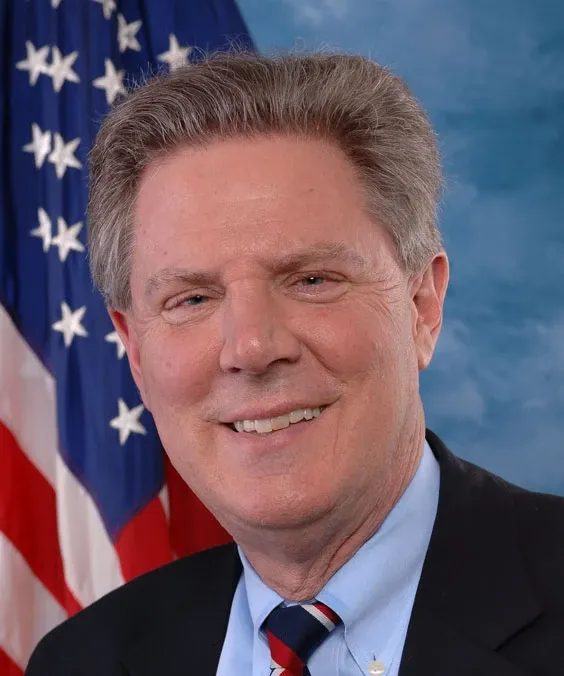
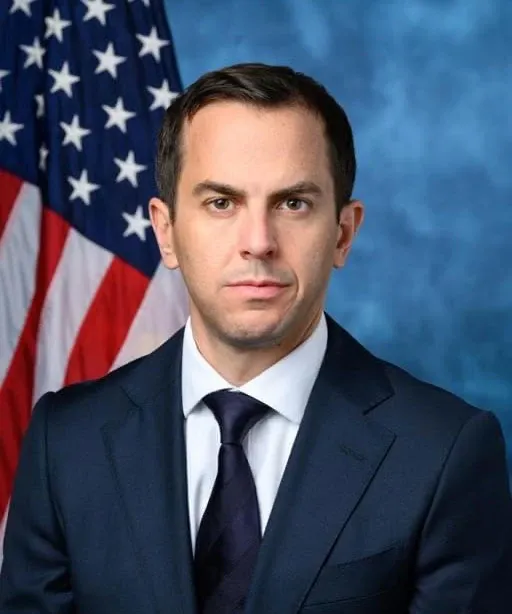
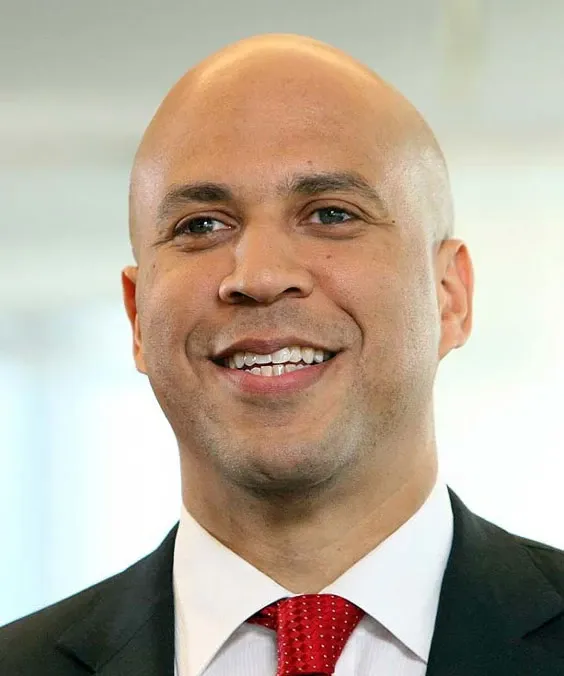
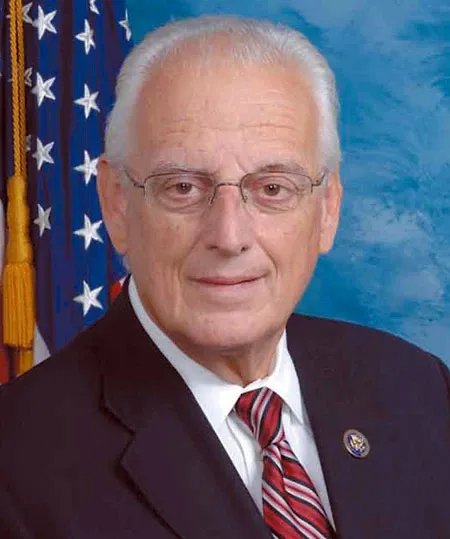
Politicians like Woodrow Wilson