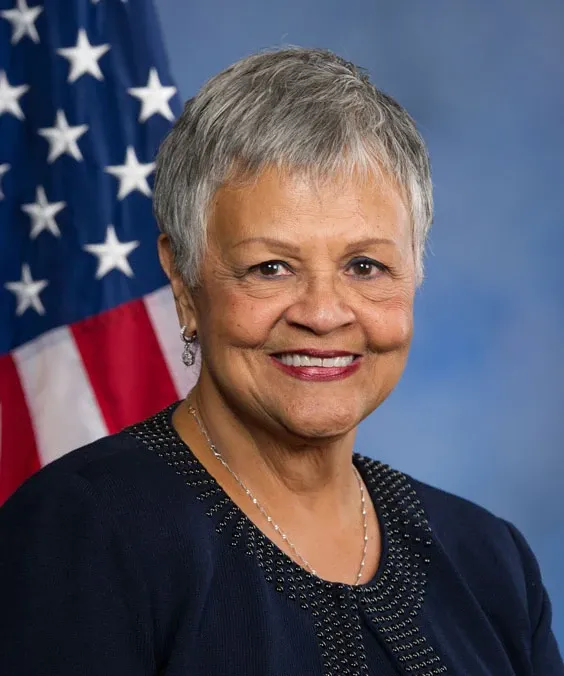
Woodrow Wilson
The Public Record
Woodrow Wilson was the 28th President of the United States, serving from 1913 to 1921. A member of the Democratic Party, he was born in Virginia and raised in Georgia before moving to New Jersey, where he became a prominent political figure. Wilson was a key leader of the Progressive Movement, advocating for reforms such as antitrust legislation and the establishment of the Federal Reserve System. His presidency is also noted for significant events such as the United States' involvement in World War I and his efforts to promote the League of Nations, an international organization aimed at preventing future conflicts.
Feb 25, 1917
I cannot imagine any man with American principles at his heart hesitating to defend these things.
Feb 22, 1917
An extraordinary occasion requires the Senate of the United States to convene at the Capitol, in the city of Washington, on the fifth day of March next, at twelve o'clock noon
Feb 22, 1917
Public interests require that the Senate of the United States be convened at twelve o'clock on the fifth day of March next to receive such communications as may be made by the Executive
Feb 20, 1917
It is hereby ordered that all of the lands of the United States hereinafter described be, and the same are hereby, withdrawn from settlement, location, sale, or entry and reserved for the use of the Navy Department of the United States as…
Feb 19, 1917
By virtue of the power and authority vested in and conferred upon me by the laws of the United States in that behalf made and provided, it is hereby ordered that the tract of land hereinafter described be and the same is hereby withdrawn…
Feb 5, 1917
The master of any vessel from a foreign port, with one or more Chinese persons on board, stopping at a port in the Canal Zone, in addition to the other matters required to be reported by him, shall deliver to the customs official of such…
Feb 5, 1917
A violation of any of the provisions of this order shall be punished by a fine not to exceed $500.00 or imprisonment not to exceed one year, or both such fine and imprisonment, at the discretion of the court.
Feb 5, 1917
Any Chinese person who shall come into the Canal Zone, with the intention of passing into the Republic of Panama, in contravention of the laws of the Republic of Panama, shall be deemed guilty of a violation of this section.
Feb 5, 1917
Every person who aids or abets in the violation of this order shall be deemed equally guilty with the master of the vessel.
Feb 5, 1917
Chinese persons, arriving from foreign ports, who desire to enter the Canal Zone in transit to other countries, may be permitted to do so upon such conditions as the Governor of The Panama Canal may prescribe by general or special…
Feb 5, 1917
No Chinese person shall be allowed to enter into or remain in the Canal Zone, except as provided in this order; and any Chinese person found in the Canal Zone in contravention of the provisions of this order, shall be punished as…
Feb 4, 1917
I do hereby admonish all citizens of the United States and every person to abstain from every violation of the provisions of said Act of Congress.
Feb 4, 1917
I have found that there exists a national emergency arising from the insufficiency of maritime tonnage to carry the products of the farms, forests, mines and manufacturing industries of the United States, to their consumers abroad and…
Feb 4, 1917
I do hereby enjoin upon all officers of the United States, charged with the execution of the laws thereof, the utmost diligence in preventing violations of said Act.
Feb 2, 1917
We do not desire any hostile conflict with the Imperial German Government.
Feb 2, 1917
We shall not believe that they are hostile to us unless and until we are obliged to believe it.
Feb 2, 1917
I refuse to believe that it is the intention of the German authorities to do in fact what they have warned us they will feel at liberty to do.
Feb 2, 1917
I shall take the liberty of coming again before the Congress, to ask that authority be given me to use any means that may be necessary for the protection of our seamen and our people in the prosecution of their peaceful and legitimate…
Feb 2, 1917
We are the sincere friends of the German people and earnestly desire to remain at peace with the Government which speaks for them.
Jan 31, 1917
Executive orders, dated June 16, 1911, December 5, 1912, and January 14, 1916, withdrawing certain lands in Arizona for the benefit of the Papago Indians, be, and the same hereby are, revoked.
Jan 31, 1917
That nothing herein contained shall affect any existing legal right of any person to any of the lands herein described.
Jan 31, 1917
That part of Executive order of May 28, 1912, withdrawing certain areas for use of the Chur-chaw, Cocklebur and Tat-murl-ma-kot Bands or Villages of Papago Indians be, and the same hereby is, revoked.
Politicians like Woodrow Wilson