Sep 8, 1919
This was a war to make similar wars impossible, and merely to win this war and stop at that is to make it certain that we shall have to fight another and a final one.
The Public Record
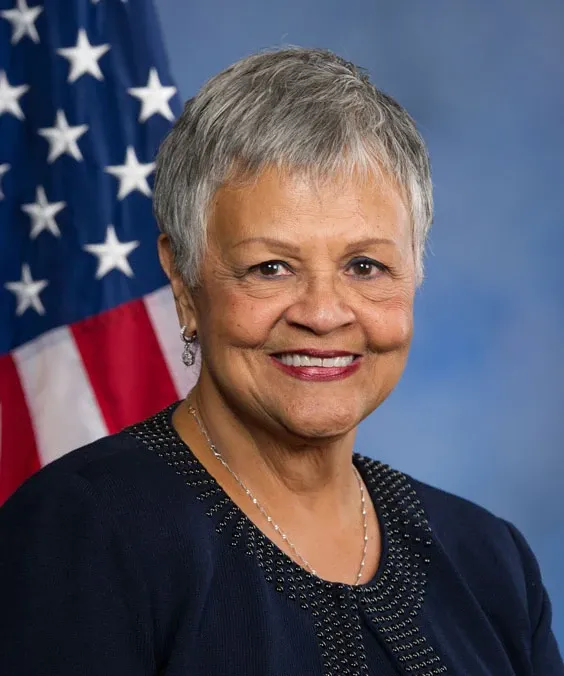
Woodrow Wilson was the 28th President of the United States, serving from 1913 to 1921. A member of the Democratic Party, he was born in Virginia and raised in Georgia before moving to New Jersey, where he became a prominent political figure. Wilson was a key leader of the Progressive Movement, advocating for reforms such as antitrust legislation and the establishment of the Federal Reserve System. His presidency is also noted for significant events such as the United States' involvement in World War I and his efforts to promote the League of Nations, an international organization aimed at preventing future conflicts.
This was a war to make similar wars impossible, and merely to win this war and stop at that is to make it certain that we shall have to fight another and a final one.
The great nations of the world have been asleep, but God knows the other nations have not been asleep.
For, my fellow citizens, what does not seem to me realized in this blessed country of ours is the fact that the world is in revolution.
I do not feel that I am on a political errand, even in the broad sense of that term.
America and her determinations now constitute the balance of moral force in the world, and if we do not use that moral force we will be of all peoples the most derelict.
The United States has accumulated a great debt, but not in proportion to those that other countries have accumulated when you reckon our wealth as compared with theirs.
The entrance examination, to use my own parlance, into my confidence is, 'Where do you put America in your thoughts? Do you put it first, always first, unquestionably first?'
To hear some men talk about the league of nations you would suppose that it was a trap set for America.
We ought to give our thought to this, gentlemen: America, though we do not like to admit it, has been very provincial in regard to the world's business.
We are all actuated, my fellow countrymen, by an intense consciousness and love of America.
America is the only Nation which can sympathetically lead the world in organizing peace.
It is a great method of common counsel with regard to the common interests of mankind.
The principle is that the interests of capital and the interests of labor are not different but the same.
The fundamental American principle is the right of the people that live in the country to say what shall be done with that country.
The only force you can substitute for an armed mankind is the concerted force of the combined action of mankind through the instrumentality of all the enlightened Governments of the world.
Every member of the league promises to respect and preserve as against external aggression—not as against internal revolution—the territorial integrity and existing political independence of every other member of the league, and if it is…
The bulk of it is concerned with arrangements under which all the members of the league—that means everybody but Germany and dismembered Turkey—agree that they never will go to war without first having done one or other of two…
Politicians like Woodrow Wilson