Apr 21, 2015
We can't continue just to make investments in rebuilding after an event occurs.
The Public Record
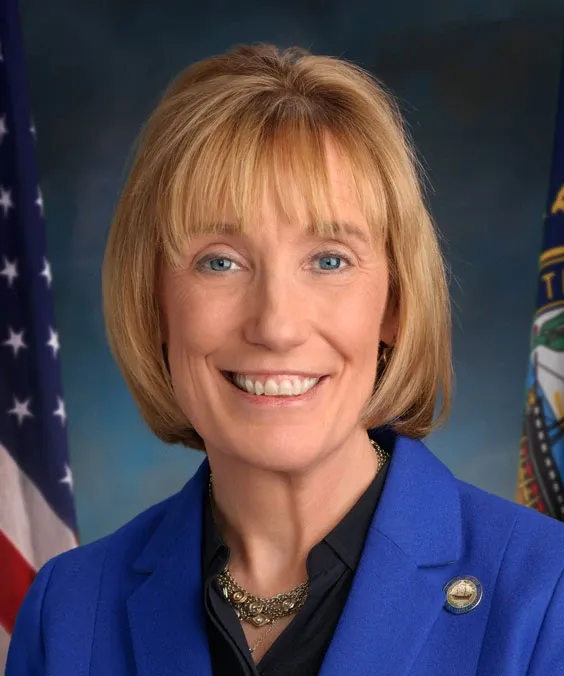
Jeanne Shaheen is an American politician serving as the senior United States senator from New Hampshire, a position she has held since January 3, 2009. A member of the Democratic Party, she is the first woman to be elected governor of New Hampshire, serving from 1997 to 2003. During her tenure in the Senate, Shaheen has focused on issues such as healthcare, education, and national security, often advocating for policies that support working families and promote economic growth.
We can't continue just to make investments in rebuilding after an event occurs.
I think this is a really positive development, and I look forward to hearing how it is working and to being helpful, if we can.
That there is hopefully a new process that is more transparent and an opportunity to be heard.
I was concerned when I saw in the budget that you are proposing an 18-percent cut to preparedness grants.
As you pointed out, what you are always looking to do is figure out where you can spend money to mitigate potential risk, how you can be more effective in doing that.
Administrator Fugate, Senator Hoeven has asked a number of my questions around this issue.
There is a lot of uncertainty and not a clear understanding about how the new flood maps are done.
I would just urge you to look at the good job that many of those servicer organizations are doing.
I think it is a place where the State has done a great job and provides a model.
There is a thoughtfulness and depth of commitment and expertise that, frankly, we have not seen any other place.
I was pleased to see that you have spoken out about FIRST, which is another great program that started in New Hampshire.
And finally, Senator Coons raised this issue, but there are vested interests who benefit from the way the current system operates.
I share the sentiments that have already been expressed, that it is very important for us to look at the budget for food aid and try to increase that, but that we also need to be as efficient as possible.
So who is the second country, in terms of providing the most food aid around the world, to the United States?
Is there a dollar amount that accounts for that, or a percentage of income of the U.S. maritime industry that can be attributed to food aid?
Doesn't it, though, seem sort of counterintuitive that, when we are talking about issues around cybersecurity and around communicating virtually on the Internet, the only way we think we can do that is to build a brick-and-mortar campus?
I was here--I think you were here, too, Senator Hoeven--several years ago when there was an effort to get a cyber bill through the Senate.
Why do you think that is? And how do we get folks in the utility sector and some of those other areas where they haven't responded as quickly to be aware of the challenge and to work with them to get them up to speed to where they ought to…
That is what I was going to ask. Can you identify the bad guy and then do you report that to law enforcement in some way?
Politicians like Jeanne Shaheen