Jan 19, 2016
I think there's--I certainly believe that there's been some success with that and with air defenses.
The Public Record
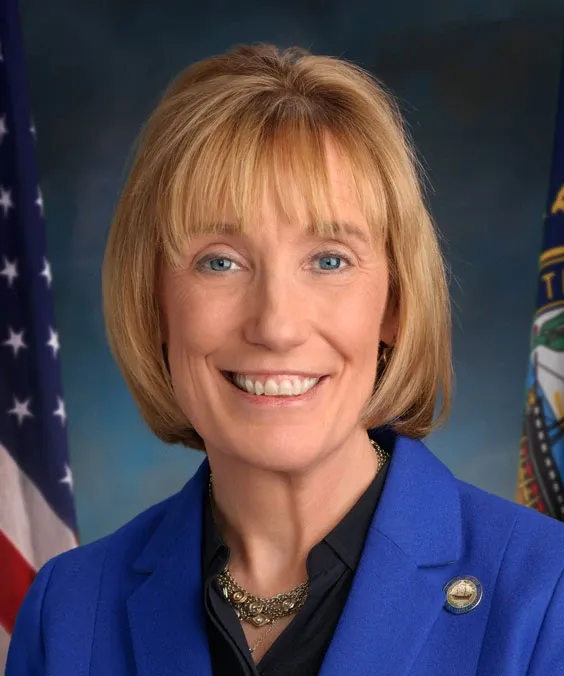
Jeanne Shaheen is an American politician serving as the senior United States senator from New Hampshire, a position she has held since January 3, 2009. A member of the Democratic Party, she is the first woman to be elected governor of New Hampshire, serving from 1997 to 2003. During her tenure in the Senate, Shaheen has focused on issues such as healthcare, education, and national security, often advocating for policies that support working families and promote economic growth.
I think there's--I certainly believe that there's been some success with that and with air defenses.
The more we appear to take sides with Russia and Iran, the more difficult it becomes to get a resolution with those people who have been our friends in the Middle East.
I would point out that, as you said, I was one of the people who introduced that legislation in August 2012 that would have allowed subpoena power for SIGAR.
I thank all three of my colleagues on the Foreign Relations Committee. I will close and yield back to Senator Coons with saying that I would hope that one of the things we would all agree to, as Senator Murphy has said, is that regardless…
Would my colleague yield for another question briefly? I didn't give the date that Adam Szubin was nominated, and he has been before the banking committee. Does the Senator have that information to share with everybody?
Thank you, Senator Inhofe. I will be brief. Mr. President, I think it is important to challenge the provision in this legislation. I support the highway bill. I think the negotiators did a great job to get us a 5-year bill, but the fact is…
I want to agree with the point that everybody has made about how we attract good people into work for the government.
We are. We share that. The fact is, this is a bipartisan issue. As my colleague points out, the United States brokered that historic agreement in Dayton. We were the only country that could really take that leadership, and we need to…
I thank my colleague. As you point out, we represent two very different parts of the country.
If we are going to have an impact, we have got to look at how we get into the grassroots and get into those young people.
We have to get serious about this and probably spend something commensurate with what our enemies spend.
When you are making allocation decisions, are those linked to national security priorities in the country?
Do we have the capacity with the structures that we have set up to do what we need to do in the future?
When you talk about 'there are lots of reasons,' how do we determine what those reasons are?
I wonder if you could talk a little bit about the role of women in Tunisia and compare that to, say, Morocco and Algeria, and what we can do to support a positive role for women in those societies.
Is there a reason why those societies have served as fertile recruiting grounds?
The way to do that is through network--organic networking that individuals are doing in theater.
Politicians like Jeanne Shaheen