Dec 7, 2011
There's increasing recognition that water scarcity raises tensions between Nations and may be a driver of armed conflict.
The Public Record
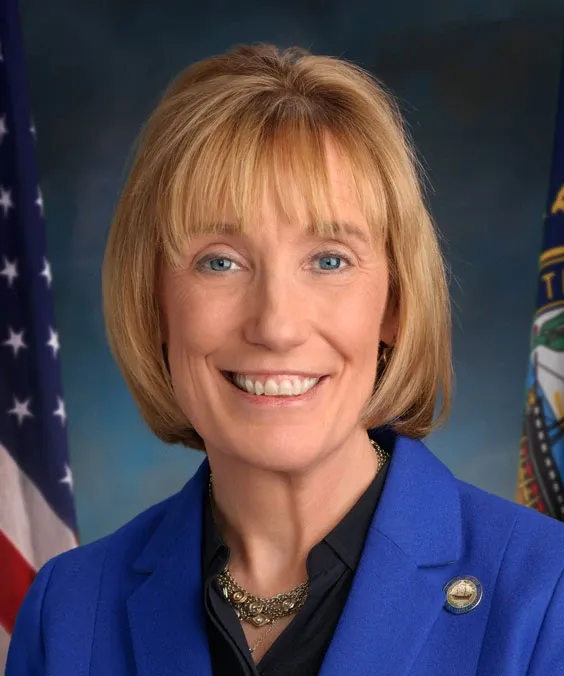
Jeanne Shaheen is an American politician serving as the senior United States senator from New Hampshire, a position she has held since January 3, 2009. A member of the Democratic Party, she is the first woman to be elected governor of New Hampshire, serving from 1997 to 2003. During her tenure in the Senate, Shaheen has focused on issues such as healthcare, education, and national security, often advocating for policies that support working families and promote economic growth.
There's increasing recognition that water scarcity raises tensions between Nations and may be a driver of armed conflict.
Can you talk a little bit about how you are coordinating with other Federal agencies, to the extent that you are, and how that's working.
USGS recently completed 2 reports on water supply and demand in the seacoast area in New Hampshire.
Thank you. Mr. Hansen, one of the things that has impressed me about the efforts that have been undertaken by the Army...
One of the things that many of you have mentioned is the effect of climate change and these increasing weather emergencies on our water systems and our water supply.
While we've seen great strides in technology to overcome water challenges, including desalinization, we don't yet have a silver bullet to overcome water scarcity.
The State Department reports that in just 2 decades the world's demand for fresh water is expected to exceed supply by 40 percent.
Do you feel like you have adequate data? Do you also have adequate ways to either regulate or incentivize compliance with those----
In mentioning both droughts and--and the flooding that we've seen in the West are a product of natural variability, and we've had to deal with that.
It's not every day that you find an issue where effective diplomacy and development will allow you to save millions of lives, feed the hungry, empower women, advance our national security interests, protect the environment, and demonstrate…
Many of us in the United States take water for granted, but globally, 800 million people do not have access to safe drinking water.
Politicians like Jeanne Shaheen