May 17, 2011
But that is a segue into what I referred to in my opening comments about the extent to which the fiscal crisis we are having in the United States drives what our spending looks like and our budget priorities.
The Public Record
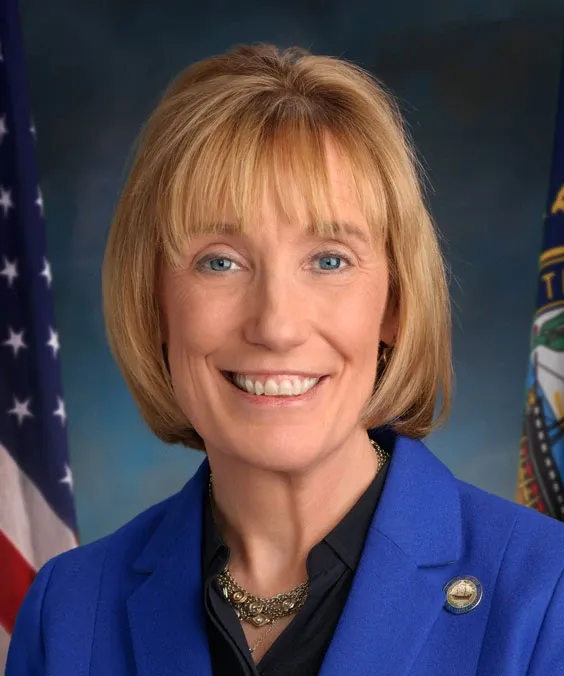
Jeanne Shaheen is an American politician serving as the senior United States senator from New Hampshire, a position she has held since January 3, 2009. A member of the Democratic Party, she is the first woman to be elected governor of New Hampshire, serving from 1997 to 2003. During her tenure in the Senate, Shaheen has focused on issues such as healthcare, education, and national security, often advocating for policies that support working families and promote economic growth.
But that is a segue into what I referred to in my opening comments about the extent to which the fiscal crisis we are having in the United States drives what our spending looks like and our budget priorities.
I am particularly excited about James Foley because he is a native of Rochester, NH.
Thank you both for being here, for your service, and we look forward to continuing to work with you.
Last year, following the oil spill, Chairman Bingaman, Senator Udall, and I introduced legislation that would have set aside $25 million a year from oil and gas royalties to fund oil spill R&D activities.
As we are looking at legislation to address concerns about permitting and drilling, one concern I have is that we not repeat the mistakes of the past.
Well, that only works, though, if you've got an election or a system of democracy that actually works and is not corrupt in the way that the elections ultimately work.
Let me change subjects, before my time is up, because last week, during our hearings, a few of the witnesses suggested that bin Laden's death would give some opportunity for further, or more, negotiations with Taliban members in…
As we look at what it will take to sustain the Afghan security forces at their current levels, obviously we're on an unsustainable course, given that, at the current level--or the target level, it would require about $10 billion a year.
I believe that we should continue to ask those questions in the coming months and hopefully we will have some answers.
I think it's important to point out that they were very supportive of the passage of the treaty.
I think finally we were able to get the bipartisan support that was required.
The current approach to negotiations... appears to be almost counterproductive.
I think it's fitting, as I'm sure people have said already, that we're having this discussion the day--2 days after Osama bin Laden has been killed.
It is critical that Congress receives detailed information on the specific industrial bases or technologies that shortfalls have been identified that Title III could address.
The Defense Production Act (DPA) Title III Program serves a critical role to ensure domestic production capacity for items essential for national defense.
SBIR is one answer, but by itself, insufficient. How is DOD addressing start-up funding vital to getting many of our small contractors off the ground?
How do we ensure that ideas in the seed stage of development continue to be funded?
What are you doing to better assist small- and medium-sized firms in the transition of R&D projects to the defense and commercial marketplace?
The National Defense Education Program (NDEP) has been reduced in this year's budget request so that there will be approximately 50 fewer graduating students in the SMART program per year that will be available for employment at DOD…
I was really pleased to hear you mention SBIR because that's a program that I have heard from so many companies in New Hampshire that they've benefited from.
I have some legislation that would encourage robotic competitions and other kinds of extracurricular ways to get young people involved in the STEM subjects.
Politicians like Jeanne Shaheen