I do not abandon the hope of concluding with Spain some general arrangement which, if it do not wholly prevent the recurrence of difficulties in Cuba, will render them less frequent, and, whenever they shall occur, facilitate their more…
Franklin Pierce
The Public Record
Franklin Pierce was the 14th President of the United States, serving from 1853 to 1857. A member of the Democratic Party, he was born in New Hampshire on November 23, 1804. Before his presidency, Pierce served in the U.S. House of Representatives from 1833 to 1837 and as a U.S. Senator from 1837 until 1842. His presidency is often noted for his support of the Kansas-Nebraska Act, which aimed to facilitate the expansion of slavery into the territories and heightened tensions between the North and South, contributing to the onset of the American Civil War.
gutenberg.org
But if the revolutionary movements which have lately occurred in that Republic end in the organization of a stable government, urgent appeals to its justice will then be made, and, it may be hoped, with success, for the redress of all…
Derived, as our public revenue is, in chief part from duties on imports, its magnitude affords gratifying evidence of the prosperity, not only of our commerce, but of the other great interests upon which that depends.
With this view, it was recommended on a former occasion that the duties of the staff should be mainly performed by details from the line, and, with conviction of the advantages which would result from such a change, it is again presented…
Important as this addition to our naval force is, it still remains inadequate to the contingent exigencies of the protection of the extensive seacoast and vast commercial interests of the United States.
In view of this fact and of the acknowledged wisdom of the policy of a gradual and systematic increase of the Navy an appropriation is recommended for the construction of six steam sloops of war.
The peculiar relation of the General Government to the District of Columbia renders it proper to commend to your care not only its material but also its moral interests, including education, more especially in those parts of the District…
Unlike the great States of Europe and Asia and many of those of America, these United States are wasting their strength neither in foreign war nor domestic strife.
Whatever of discontent or public dissatisfaction exists is attributable to the imperfections of human nature or is incident to all governments, however perfect, which human wisdom can devise.
Such subjects of political agitation as occupy the public mind consist to a great extent of exaggeration of inevitable evils, or over zeal in social improvement, or mere imagination of grievance, having but remote connection with any of…
For objects of common defense and security, they intrusted to the General Government certain carefully defined functions, leaving all others as the undelegated rights of the separate independent sovereignties.
Such is the constitutional theory of our Government, the practical observance of which has carried us, and us alone among modern republics, through nearly three generations of time without the cost of one drop of blood shed in civil war.
With freedom and concert of action, it has enabled us to contend successfully on the battlefield against foreign foes, has elevated the feeble colonies into powerful States, and has raised our industrial productions and our commerce which…
And the admirable adaptation of our political institutions to their objects, combining local self-government with aggregate strength, has established the practicability of a government like ours to cover a continent with confederate states.
Our balance of power is in the separate reserved rights of the States and their equal representation in the Senate.
That independent sovereignty in every one of the States, with its reserved rights of local self-government assured to each by their coequal power in the Senate, was the fundamental condition of the Constitution.
Without it the Union would never have existed.
Indeed, the larger States themselves could not have failed to perceive that the same power was equally necessary to them for the security of their own domestic interests against the aggregate force of the General Government.
In a word, the original States went into this permanent league on the agreed premises of exerting their common strength for the defense of the whole and of all its parts, but of utterly excluding all capability of reciprocal aggression.
Thus and thus only, by the reciprocal guaranty of all the rights of every State against interference on the part of another, was the present form of government established by our fathers and transmitted to us, and by no other means is it…
In either case it is full of threat and of danger to the durability of the Union.
It has been matter of painful regret to see States conspicuous for their services in rounding this Republic and equally sharing its advantages disregard their constitutional obligations to it.
Although conscious of their inability to heal admitted and palpable social evils of their own, and which are completely within their jurisdiction, they engage in the offensive and hopeless undertaking of reforming the domestic institutions…
In the vain pursuit of ends by them entirely unattainable, and which they may not legally attempt to compass, they peril the very existence of the Constitution and all the countless benefits which it has conferred.
That is, the States which either promote or tolerate attacks on the rights of persons and of property in other States, to disguise their own injustice, pretend or imagine, and constantly aver, that they, whose constitutional rights are…
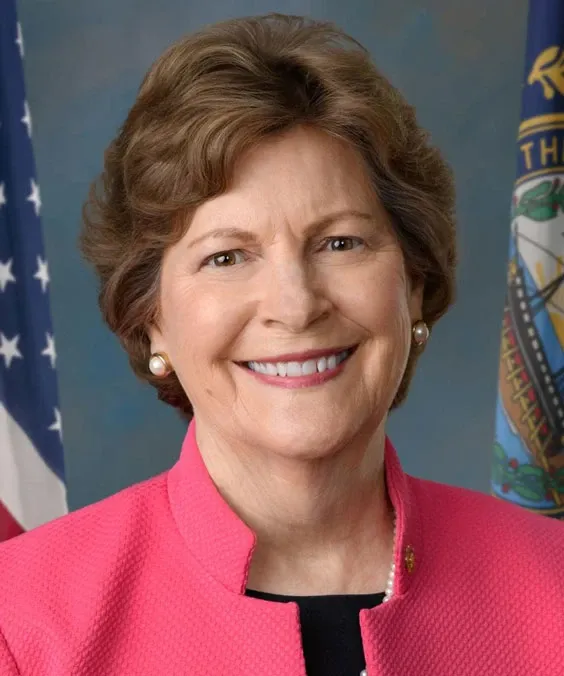
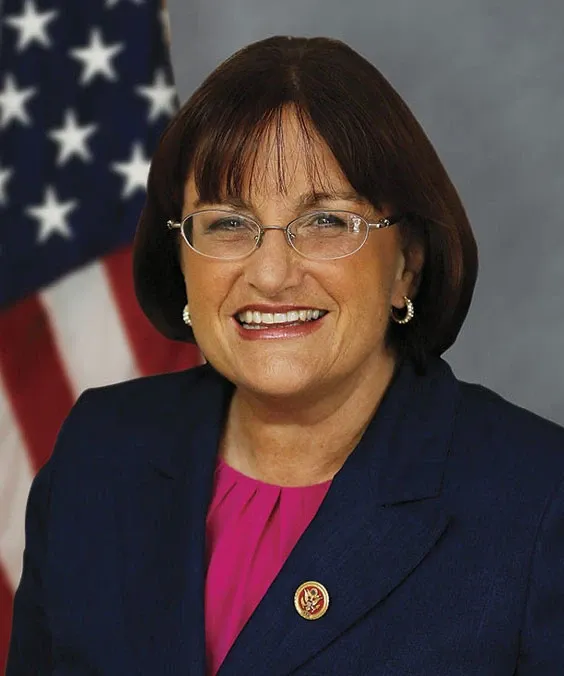
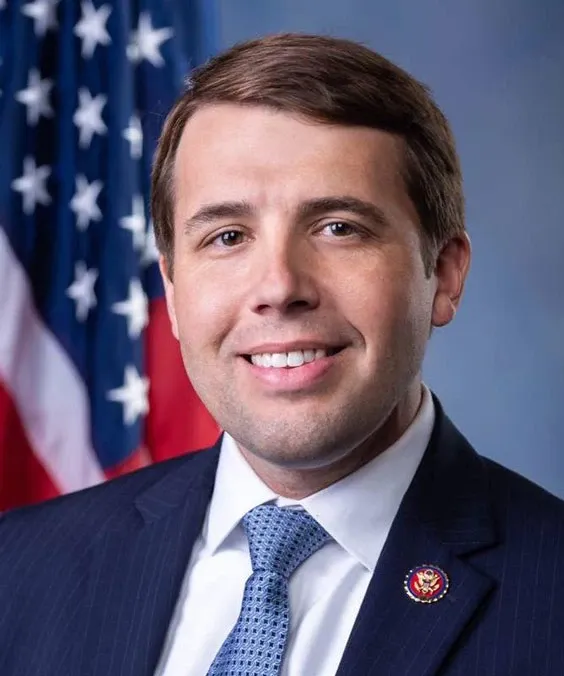
Politicians like Franklin Pierce