Sep 12, 2011
We proposed to cut it to $9.7 trillion, and the cost of the way the budget authority plays out slower in the form of outlays, it worked out to about $1.7 trillion.
The Public Record
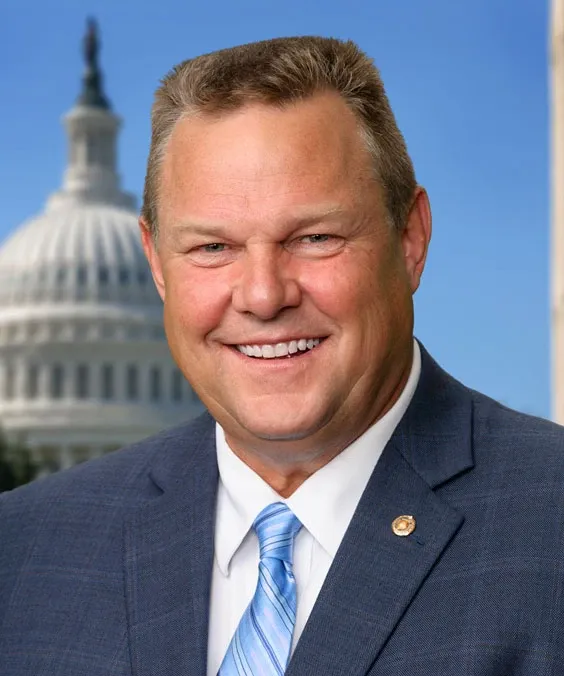
Max Baucus is a former U.S. Senator from Montana, serving from 1978 to 2014. A member of the Democratic Party, Baucus was known for his work on health care reform and tax policy. He played a significant role in the passage of the Affordable Care Act and was a key advocate for various economic initiatives during his tenure. Baucus also served as the Chairman of the Senate Finance Committee, where he influenced legislation related to taxation and trade. After leaving the Senate, he was appointed as the U.S. Ambassador to China, where he focused on strengthening U.S.-China relations.
We proposed to cut it to $9.7 trillion, and the cost of the way the budget authority plays out slower in the form of outlays, it worked out to about $1.7 trillion.
I think the answer to Senator Kyl's question would be about $100 billion for deficit reduction; is that correct?
I think that it is up to the Congress, as I said, to designate what it views as related to those operations.
The Budget Control Act, as you mentioned, had two separate caps--for what is it, 2012 and 2013?
This is not an easy undertaking, corporate tax reform. It takes time, and often when we go down this road it is more complicated than we think.
If we have a revenue-neutral tax reform, corporate or individual, and the tax reform, let's say, on the individual side is dramatic, broaden the base, lowering the rate, et cetera, how much growth would result from a very simplified tax…
I am for going down this road. I think we should lower our corporate rates very significantly.
only about 3 percent of pass-through income is affected by the top two rates.
I think there is a lot of fraud and waste in the Medicare and Medicaid, which we don't properly attack.
What role do you and your colleagues want the Government to play in the economy and the society?
We have a duty, I think, to ensure that we approach these cuts in a balanced way that creates jobs.
I wondered, Dr. Elmendorf, if you could just again, we discussed a little bit of it already, what changes either let's say in tax policy will stimulate the economy most, if you could rank them somehow?
Politicians like Max Baucus