Feb 6, 2012
At this point in this hearing today, is there any shipments using your protocol that is coming to the United States that we don't know what is in it?
The Public Record
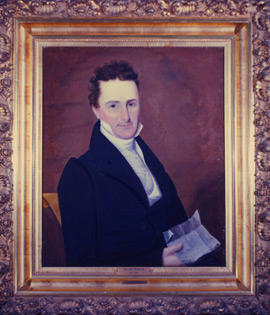
Bennie Gordon Thompson is an American politician serving as the U.S. Representative for Mississippi's 2nd congressional district since 1993. A member of the Democratic Party, Thompson has been a prominent voice in Congress on issues related to homeland security, having served as the Chairman of the House Homeland Security Committee. Throughout his tenure, he has focused on various aspects of national security and has been an advocate for addressing threats posed by terrorism and drug cartels.
At this point in this hearing today, is there any shipments using your protocol that is coming to the United States that we don't know what is in it?
In layman's terms, what percent cargo that is coming to the United States right now is not scanned?
I am a pragmatic person. I was a proponent of 100 percent scanning mandate, but understood that fulfilling the requirements would be no easy task.
Today’s hearing comes at a critical juncture in the Department of Homeland Security’s efforts to secure maritime cargo entering our Nation’s ports.
I appreciate you calling this hearing. I appreciate our witnesses for their participation also.
Our mission is to keep America safe, and we have to do it, obviously within the confines of the budget.
I cannot overstate the difficulty an additional budget cut would create on this committee's staff.
Without them we would not be able to fill vacancies, maintain competitive salaries or continue to offer paid internships.
I agree with everyone here, it is a fractured country. But it is also one that is ripe for an entity like this one.
Now we are claiming that an attack on a United Nations building in Nigeria is an attack on United States' interests.
If we are serious about engaging this threat, and if the United Nations and other entities are our partners, we have to invest in it.
What are we doing on the diplomatic side to engage the country they operate in to do more so that these things don't occur?
Today, we are here to examine whether the Nigerian group known as Boko Haram poses a threat to the United States.
Without objective measurement tools, I question how S&T will be able to continue to develop security solutions.
I hope to learn how we can keep essential personnel and train them in light of severe budget cuts.
I hope the committee will take these matters seriously as we learn how the Directorate will carry out its strategic plan, management directives, and operational programs going forward.
I cannot tell you how many times a company, mainly small businesses, comes to me and complains about how difficult it is to work with S&T.
Despite this funding, interoperability remains a concern for State and local homeland security directors, public safety officials, and first responders.
As a former volunteer firefighter, I know that interoperable communications can save lives.
The equipment is fine, absolutely. I have seen it rust on military bases for years.
Regardless of whatever you hear on the news or you see on TV, Republicans and Democrats can work together to better protect our people in this country from threats.
Politicians like Bennie Thompson