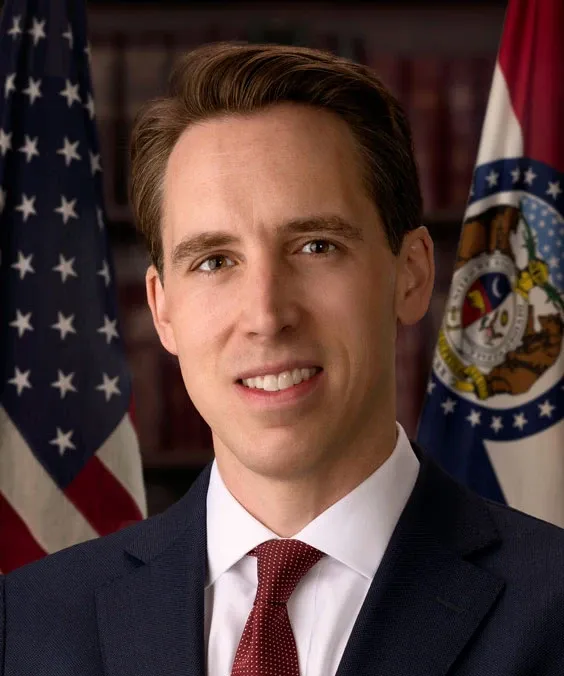
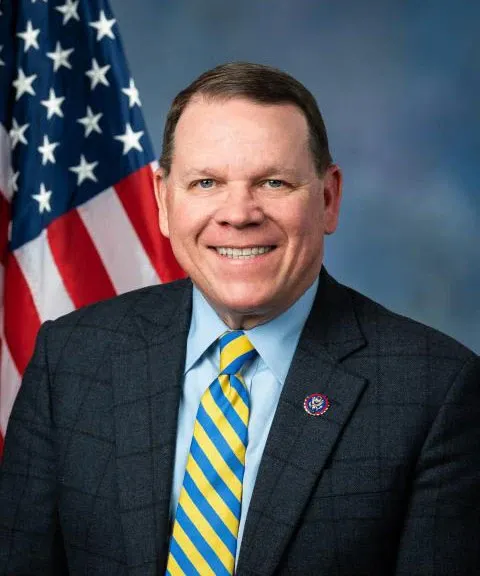
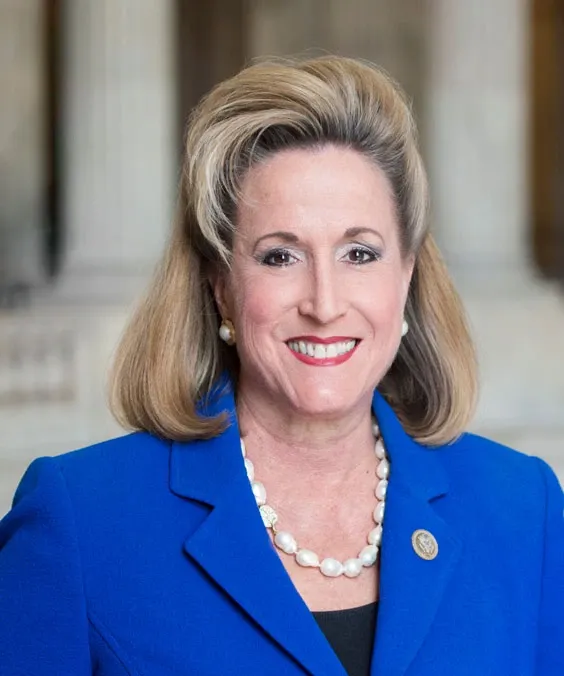
So just stop for a minute. Let's do a what-if, because that's apparently what this treaty is trying to define, these what-ifs. So some country has maybe signed agreements that they're not going to develop biological weapons. They do that on the sly, hit our cities with biological weapons and people are dying with some strange kind of virus or something running around, and we're losing a whole lot of population--and of course I think we have a pledge that we're not developing biological weapons so we can't respond with biological weapons somewhere. So what are we supposed to do then? We've already guaranteed them that we're not going to use nuclear weapons.
Editor's note · Context
The speaker discusses concerns about the implications of a treaty on biological and nuclear weapons.
Share
More from W. Todd Akin
On rollcall No. 359, I was delayed and unable to vote. Had I been present I would have voted ``aye.'' ____________________
On rollcall No. 456, 457 and 458 I was delayed and unable to vote. Had I been present I would have voted ``yea'' on rollcall No. 456, ``yea'' on rollcall No. 457 and ``yea'' on rollcall No. 458. PERSONAL EXPLANATION
On rollcall Nos. 111 and 112, I was delayed and unable to vote. Had I been present I would have voted ``yea'' on both. The SPEAKER pro tempore (Mr. Yoder). The gentleman from Utah is recognized for 1 hour.
On rollcall No. 360 and 361, I was delayed and unable to vote. Had I been present I would have voted ``no'' on rollcall No. 360 and ``aye'' on rollcall No. 361. ____________________