It seems like, to me, what you're talking about is, in a way you are defining something that's bipartisan, where people in good faith come to the table, they all have some ideas, they talk about them and say, Well, I don't like this part of your idea, and they say, Well, I don't like this part. Well, what part can we all agree to and put together? Now, my understanding is the way the President is defining bipartisanship tomorrow is that what he's going to do is go behind closed doors, come up with a legislative product, then give the Republicans the chance to agree with him. And Republicans aren't allowed to bring anything they have in, but he has something that he has concocted. He's going to kind of spring it on them and say, Now are you going to go along with me? Is that your concept of bipartisanship?
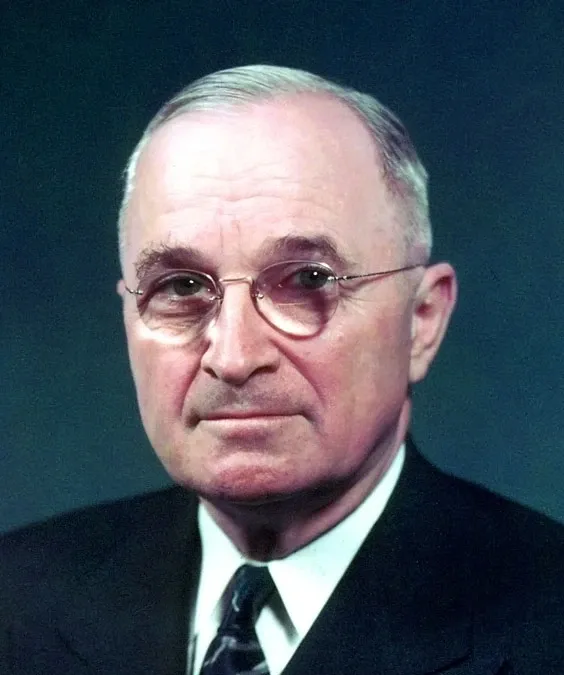
W. Todd Akin: “It seems like, to me, what you're talking about is, in a way you are defining something that's bipartisan, where people…”
Editor's note · Context
The speaker critiques the President's approach to bipartisanship in legislative discussions.
Share
More from W. Todd Akin
I want to thank the VSO's both for expressing their support of my legislation and for their efforts on behalf of our Nation's veterans and their families.
On rollcall Nos. 487, 488, 489, 490, 491, 492, 493, 494, 495, 496, 497 and 498 I was delayed and unable to vote. Had I been present I would have voted ``aye'' on rollcall No. 487, ``no'' on rollcall No. 488, ``no'' on rollcall No. 489…
I am a huge state's right guy, but the military is a federal thing and that is why I think it should be there.
On rollcall Nos. 111 and 112, I was delayed and unable to vote. Had I been present I would have voted ``yea'' on both. The SPEAKER pro tempore (Mr. Yoder). The gentleman from Utah is recognized for 1 hour.