So there is a fundamental disconnect in the logic here somewhere. Understand that it's all for glorious and super ends and supposed to be a good deal and all, but how does it specifically help us and how does it increase U.S. security? That is not clear at all. The idea of us reducing capabilities seems to be completely counterproductive. Because it's going to encourage either third-world adversaries to take advantage of our vulnerability that we created voluntarily on ourselves, self-inflicted wounds, or the people who are our friends are going to develop additional nuclear capabilities to protect themselves. So I don't see how this thing works.

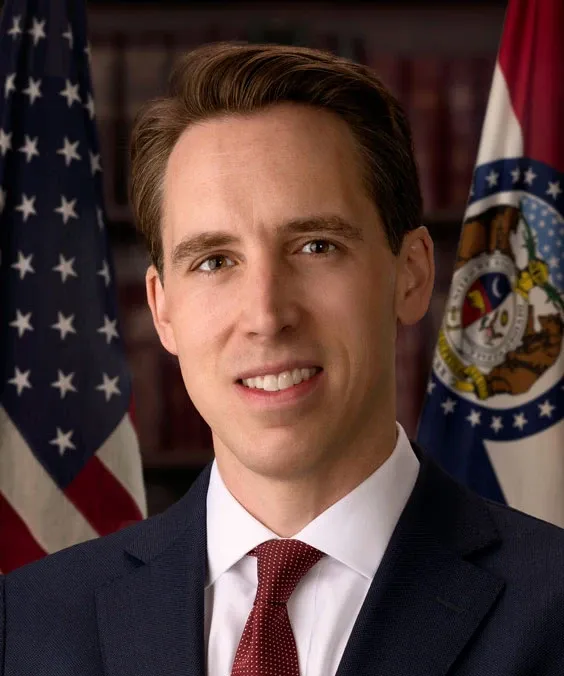
W. Todd Akin: “So there is a fundamental disconnect in the logic here somewhere. Understand that it's all for glorious and super ends…”
Editor's note · Context
The speaker is questioning the logic behind U.S. security policies and their implications for national defense.
Share
More from W. Todd Akin
It makes little sense to be shrinking our Navy just months after the announcement of a strategy that would shift emphasis to Asia.
On rollcall Nos. 519, 520, 521, 522, 523, 524, 525, 526, 527, 528, 529, 530, 531, 532, 533, 534, 535, and 536, I was delayed and unable to vote. Had I been present I would have voted ``aye'' on rollcall No. 519, ``no'' on rollcall No. 520…
The 2010 Quadrennial Defense Review concluded that the effective use of the Guard and Reserves will lower overall personnel and operating costs.
The men and women who volunteer to serve our Nation put themselves at great risk, and we owe them a great debt of gratitude and honor.