First of all, I wish to talk about the bill that is on the floor. I agree with Senator Franken--this is a bill that enjoys bipartisan support. We saw in the budget debate just how broad and how bipartisan that support is. It is the right…
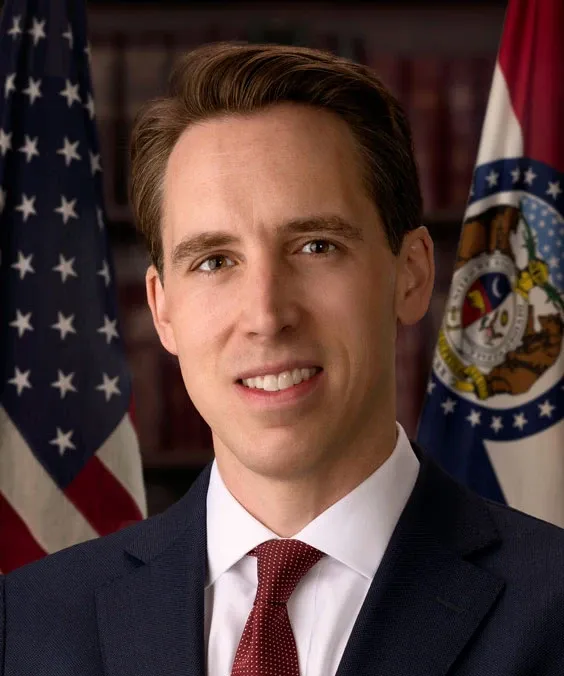
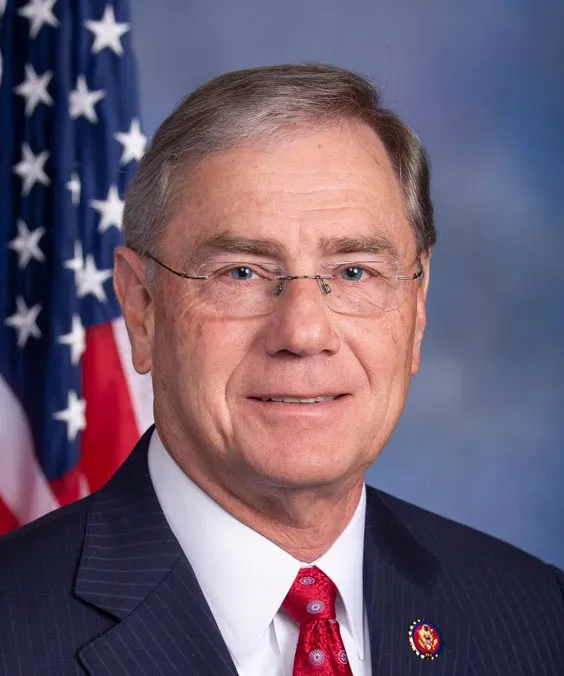
Roy Blunt
The Public Record
Roy Blunt is an American politician currently serving as the senior United States senator from Missouri, a position he has held since January 2011. A member of the Republican Party, Blunt previously served as a United States Representative from 1997 to 2011. Throughout his career, he has focused on various issues including public health, research funding, and bipartisan cooperation in Congress.
The Park Service has to be willing to look at this in a different way than they have before.
EPA is requesting $8.153 billion, which is $296 million (3.5 percent) below fiscal year 2012 enacted levels.
I want you and my colleagues to both understand that this is not about trying to force a project to be built or anything else.
Now I would think, and I would be pleased to have your comments on this, that there is an argument to be made on the manufacturing side where a compounder is making a significant quantity of a compounded product to then be sold, as opposed…
Right. One of the few products we don't grow in our State, and I think Arkansas, is sugar beets.
Assuming we went forward with the Budget Control Act, would you be supportive of the user fee categories being exempt from sequester?
On maybe the biggest issue that we will need to work together on regarding the budget is getting the request in synch with what you need now.
Well, I think it is very important how you define the role you want to play for the FDA in the future so that this doesn't later become: We have the right to go in and check on every pharmacist in America and how they filled every…
And again, for the rest of this year for the FDA budget, the user fee sequester is $83 million. So this is a big amount of money.
Well, my thought on this would be to let us draw this line as appropriately and tightly as we can, if you really want to get this done, as opposed to broaden the scope to the point that so many people are so concerned that nothing happens.
I am hoping that you are looking at that extension, and I will be glad for some follow-up on that as well.
As I understand it, the Department of Agriculture is involved at deciding what products can be planted and grown, and then you come in at some point and decide what the potential food uses of those might be, as opposed to other uses?
The $3 million that you would expect to commit between now and the end of this fiscal year on drug compounding, under what authority would you be getting more involved or do you need legislation to get involved?
Well, you and I both have learned a lot more about this than we would have ever expected to learn.
And your overall shortage in these areas between now and September 30 would be less than the amount of money you think you need to complete the year?
I think the industry is growing more concerned that there might be a lot of conflicting State laws, and some Federal definitions that were overriding would be helpful there.
I was opposed to that at the end of our discussions last year and probably will be again this year.
I heard, I thought, two pretty different views of that. One was on the testing of GMO foods, he said the testing was somewhere between slim and none, and slim has left town.
I do want to mention specifically Senator Lautenberg, who was certainly no--I think there is no bigger advocate for rail travel, passenger rail, or the Northeast rail corridor than Senator Lautenberg has been.
I want that to be as safe as it can possibly be, but I don't want us to lead people to believe that it's less safe than it is.