Harry Truman
The Public Record
Harry S. Truman was the 33rd President of the United States, serving from April 12, 1945, to January 20, 1953. A member of the Democratic Party, he assumed the presidency after the death of Franklin D. Roosevelt. Truman is known for his decisive leadership during the final months of World War II, including the controversial decision to use atomic bombs on Hiroshima and Nagasaki, which contributed to Japan's surrender. He also played a significant role in the early stages of the Cold War, implementing the Truman Doctrine to contain communism and establishing NATO.
Sep 24, 1946
I invite the people of the United States to observe the day in appropriate ceremonies in schools and churches or other suitable places
Sep 24, 1946
If there is no understanding, there can be no peace; and if there is no education, there can be no peace.
Sep 24, 1946
I invite the people of the United States to observe the day in schools and churches, or other suitable places, with appropriate ceremonies expressive of the public sentiment befitting the anniversary of the discovery of America.
Sep 24, 1946
I direct, also, that on that day the flag of the United States be displayed on all Government buildings.
Sep 24, 1946
I call upon officials of the Government to have the flag of the United States displayed on all Government buildings on that day
Sep 24, 1946
I do hereby proclaim October 11, 1946, the one hundred and sixty-seventh anniversary of the death of that gallant warrior, as General Pulaski's Memorial Day
Sep 24, 1946
There are two things in the world I want above everything else--peace in the world and unity at home.
Sep 23, 1946
It is absolutely essential, in order that the program of the Democratic Party as outlined in the platform adopted in 1944 which I helped to write--and I was a member of that original committee--may be carried out, that we have a Congress…
Sep 23, 1946
I AM of course interested in the political welfare of every one of you.
Sep 23, 1946
That's the program of the Democratic party--peace in the world, and a production program that will help rehabilitate that world.
Sep 22, 1946
I hereby revoke the said Executive Order No. 7744 of November 19, 1937.
Sep 19, 1946
The people of the United States may disagree freely and publicly on any question, including that of foreign policy, but the Government of the United States must stand as a unit in its relations with the rest of the world.
Sep 19, 1946
The foreign policy of this country is the most important question confronting us today.
Sep 19, 1946
Mr. Byrnes consults with me often, and the policies which guide him and his delegation have my full endorsement.
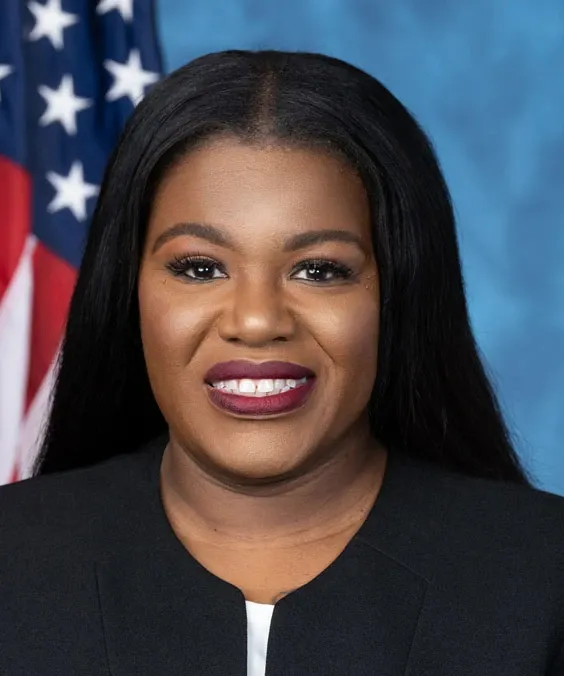
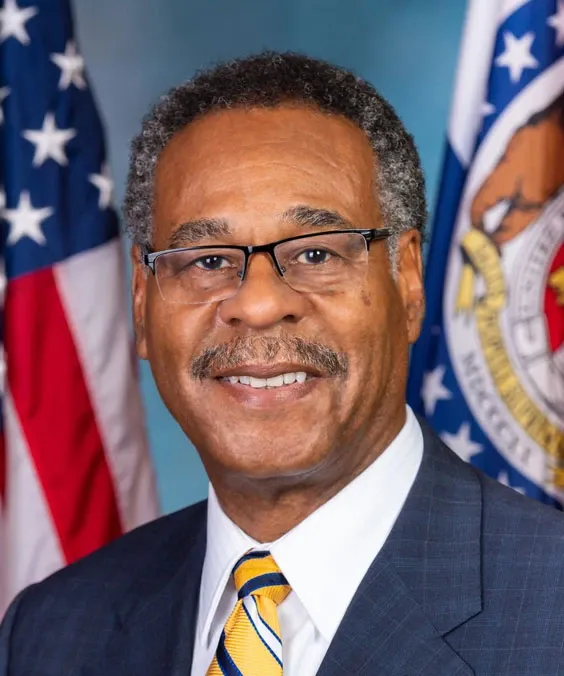
Politicians like Harry Truman