Apr 12, 2011
S. 325, The Embedded Mental Health Providers for Reserves Act of 2011 introduced by Senators Patty Murray and Claire McCaskill...
The Public Record
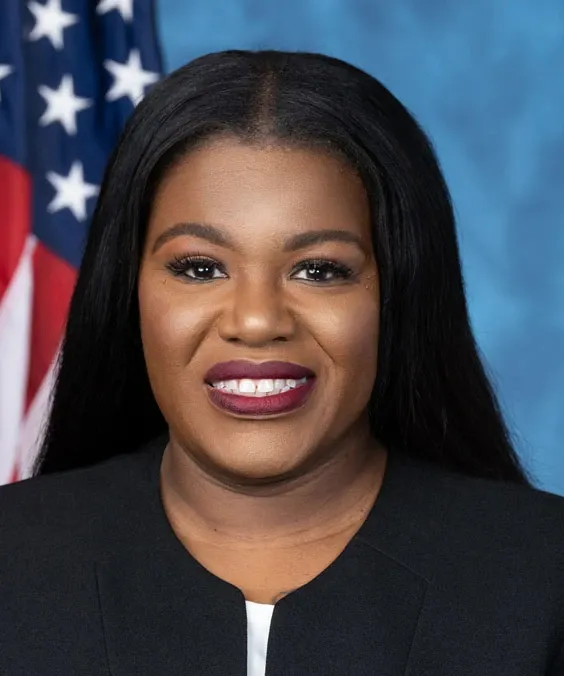
Claire McCaskill is an American politician and attorney who served as the United States Senator from Missouri from 2007 to 2019. She was the first woman elected to the Senate from Missouri. A member of the Democratic Party, McCaskill focused on issues such as healthcare, military support, and government accountability during her tenure in the Senate. She played a significant role in various legislative efforts and was known for her outspoken views on military contracting and defense spending.
S. 325, The Embedded Mental Health Providers for Reserves Act of 2011 introduced by Senators Patty Murray and Claire McCaskill...
I think he will be the kind of judge that all lawyers will look forward to working in front of.
Thank you, Mr. Chairman, and my thanks to the Committee for holding this hearing today so these important nominees can move forward in our process.
Multiple hearings and investigations of the Native 8(a) program ordered by Sen. Claire McCaskill.
I think this is a good time to remind Americans that sometimes the resources we expend on training and even equipping our allies across the world come in handy.
I was surprised when we got a bill that basically took some of the money that were paying for this $600 million and used it for something else.
I am a big believer that if we start putting a few of these employers in handcuffs and you actually prosecuted them...
I could not agree with you more and I thank all three of you very much for your testimony today.
I was proud to co-sponsor, along with Senator McCain, a bill fully paid for last year that added $600 million to border security.
In my opinion, having looked at a lot of contracting work over the last 4 years since I've been here, way too often were we using cost-plus.
I think that this is probably not the kind of zero-based review that he had envisioned when he used that terminology.
Clearly, you see what's coming down the road. I mean, this is going to be an exercise in cutting the size and scope of the Federal Government for the foreseeable future.
I hope you will share my commitment today to avoid using gimmicks to get around the ban on earmarks.
I think it'd be helpful for us to get top-line performance metrics, for the various departments, that you've developed.
Frankly, obviously, it's been a problem, writ large, because we can't even audit.
I fully support the Secretary's objectives in reducing the duplication, overhead, and excess in the Defense enterprise.
It's like--it's just an added cost of doing business, as opposed to any kind of alignment of incentives.
I do not believe there is any part of the budget that can be off limits as we look for savings.
The more quickly you adapt to some of these strategies, the less painful the next decade is going to be for DOD and for our military.
I want to follow up on--first of all, just given that we can't--we don't have auditable financial statements, how are we going to know that we're actually achieving the savings and efficiencies that--if you don't have the way to measure it…
In a time of turmoil and uncertainty around the world, we must be clear about the true effects of reduced military spending in critical readiness areas proposed under the guise of efficiencies.
I think the average American would be surprised and disappointed to know that DOD does not currently have fully auditable statements, and does not expect to have them until 2017.
Politicians like Claire McCaskill