Dec 1, 1997
For the first time in the history of the United States, the House is taking it upon itself to say that the power of disqualification from office should be invoked
The Public Record
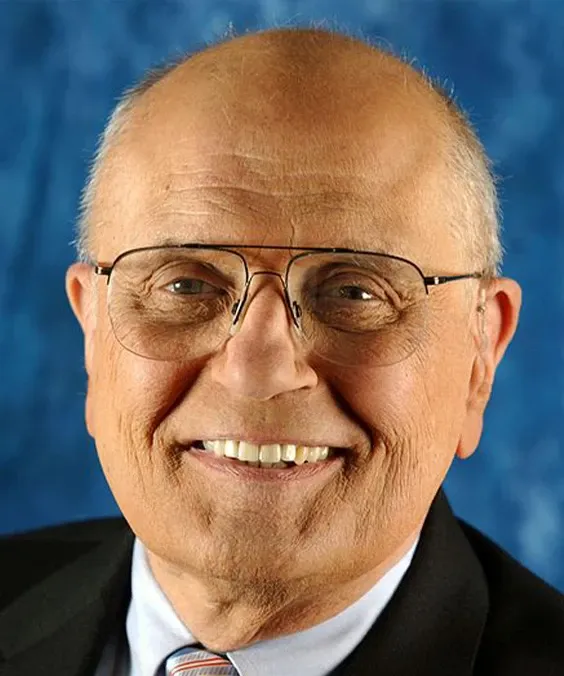
John Conyers was a prominent American politician who served as a U.S. Representative from Michigan from 1965 until 2017. A member of the Democratic Party, he was one of the founding members of the Congressional Black Caucus and played a significant role in advocating for civil rights and social justice throughout his career. Conyers was known for his commitment to issues such as healthcare, education, and labor rights, and he introduced legislation aimed at improving the lives of his constituents and marginalized communities across the nation.
For the first time in the history of the United States, the House is taking it upon itself to say that the power of disqualification from office should be invoked
As I've read the 184 pages of the White House submission, there are pages 70 through 89 and pages 93 through 182 which address each and every one of the factual charges made by Mr
Let me start off by saying that with respect to my colleagues on the other side of the aisle, I don't think it aids the for truth to demonize the White House counsel
Because our system of justice is based on testing the testimony of someone, under oath, in front of the finder of fact, subject to cross-examination, and in a grand jury that doesn't exist
S not a history future will view with pride. Over and over again, our Republican colleagues have called for the rule of law.
M reading from the majority, and the gentleman from Wisconsin said, Well, he perjured himself only about
May I inquire respectfully of the Speaker, may we refer to the Starr report referred to the Congress of the United States? The SPEAKER pro tempore
I thank the gentleman from Wisconsin, who is the ranking Member on the Judiciary, for his explanation
Could I point out to my distinguished scholars and members of the Committee on the Judiciary, we are not trying to solve this problem within this debate
I believe that she does not lose jurisdiction to investigate and recommend the prosecution or hold criminal contempt hearings for anyone that might have engaged in criminal conduct during the time period that she had this matter.
I think that the White House submission, although I have not read all of it, I've read part of it--the part I read did deal in great detail with a great many of the facts, including a lot of the facts that are not highlighted in the Starr…
I asked, he referred to a court case which was then under seal, and I was not able to characterize his--I felt myself unable to characterize the accuracy of his statement about that case lest I be accused of violating the seal.
I think this panel has presented some very compelling testimony on all the pitfalls in pursuing a perjury prosecution in this situation and raised doubts about whether all the elements of perjury are present in this case.
I believe that she does not lose jurisdiction to investigate and recommend the prosecution or hold criminal contempt hearings for anyone that might have engaged in criminal conduct during the time period that she had this matter
No--well, I could compare it this way, that in the cases that have been referred to--I have not heard of any in which it is analogous to this case where the witness's testimony was peripheral to the issues in the case, the alleged perjury…
I think all fair-minded Americans hold that the President will emerge from this process exonerated and able to renew his effective service.
I urge my colleagues to put a stop to this partisan, out-of-control vendetta and to take care of the real business of the American people.
I urge approval of the Democratic plan as rules of proceeding which are well tailored to the challenge before us.
I think the President's admitted behavior is indefensible and that this matter has done great harm to our country and the office of the President.
I believe the House should not proceed with any further investigation and should instead get on with the unfinished business of America.
I believe the Democratic alternative which I support is the most focused, fair, and expeditious way for the Committee to proceed.
I believe the Republican proposal to undertake additional investigation and hearings is Page H10102 not only unnecessary and redundant, it is also not in the best interests of our Country.
I believe we must act according to the Constitution, the facts, and with a view to the precedents of history and the precedents we will establish for the future.
I believe the President's conduct and public representations merit the disdain and deep disappointment, and, yes, even anger, of the American people.
Politicians like John Conyers