Mar 12, 2013
I think that, in some respects, the title of this hearing is not as accurate as I would have made it.
The Public Record
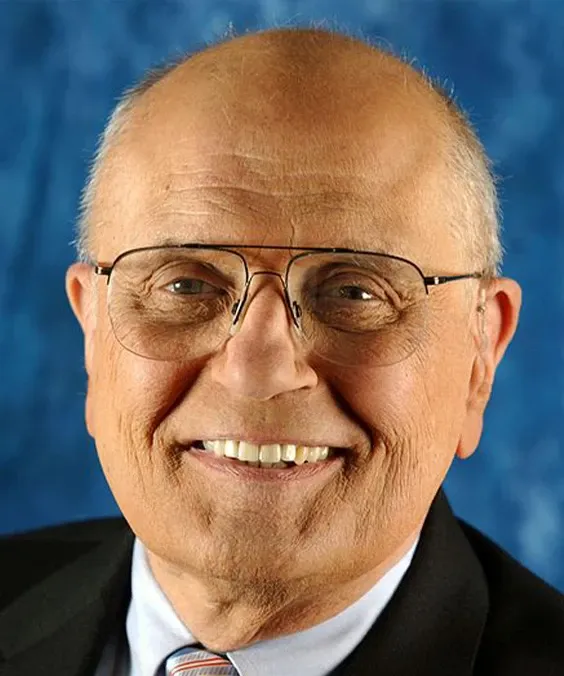
John Conyers was a prominent American politician who served as a U.S. Representative from Michigan from 1965 until 2017. A member of the Democratic Party, he was one of the founding members of the Congressional Black Caucus and played a significant role in advocating for civil rights and social justice throughout his career. Conyers was known for his commitment to issues such as healthcare, education, and labor rights, and he introduced legislation aimed at improving the lives of his constituents and marginalized communities across the nation.
I think that, in some respects, the title of this hearing is not as accurate as I would have made it.
The proposal would eliminate or limit contingency fees, prevent attorneys general from retaining outside counsel, and prevent plaintiffs from seeking outside funding to sustain what are often long and costly cases.
I think the sooner, Chairman Sensenbrenner, that we begin to look at this part of this problem, the better off we are going to be in terms of getting as much cooperation as we can.
I think I have about the only general law on cyber privacy, which I introduced last year and will reintroduce today.
We must not toss aside existing privacy restrictions to grant the government and law enforcement unwarranted access to private communications.
Cyberattacks have increased, according to the National Security Agency, by 44 percent.
Last year, the head of the National Security Agency warned that cyber attacks had increased by 44%.
I would like to welcome the witnesses and note that I am reintroducing today a bill that I introduced in 2012, July or August, the Cyber Privacy Fortification Act, which will create a strong standard for data breach notification, which…
Essentially, this bill would allow asbestos victims to be re-victimized by exposing their health information to the public.
H.R. 982, the Furthering Asbestos Claim Transparency Act, or FACT Act, burdens asbestos trusts while giving asbestos defendants new rights and advantages to be used against asbestos victims in state court.
I also commend and align myself with the remarks of the Ranking Member of the Subcommittee, Mr. Nadler.
Antitrust is a huge area. But the other area, Mr. Harper, that is--I don't know if it is going to become a growing concern yet...
Not on me at the moment, but I could certainly submit it for the record, and I would be pleased to do that.
H.R. 367 creates an unworkable process that will make it nearly impossible for new regulations to be enacted.
Well, what about the part where the court finds that the settlement would have been not less than $250,000 higher...
What about destruction of documents and not turning certain other documents over?
Thank you, Chairman Franks. This has been pretty interesting, but Mr. Flick, your situation is prominently known.
Now, what we have found is that only about 5 percent of the plaintiffs were awarded punitive damages.
The whole idea is to inhibit wrongdoing by knowing that these kinds of legal results are available.
The measure imposes unrealistic deadlines by which Congress must consider and pass exceedingly complex and technical regulations.
Politicians like John Conyers