Mar 25, 2019
The proposal and action carried out by DHS to date have proven inadequate, harmful, and deadly.
The Public Record
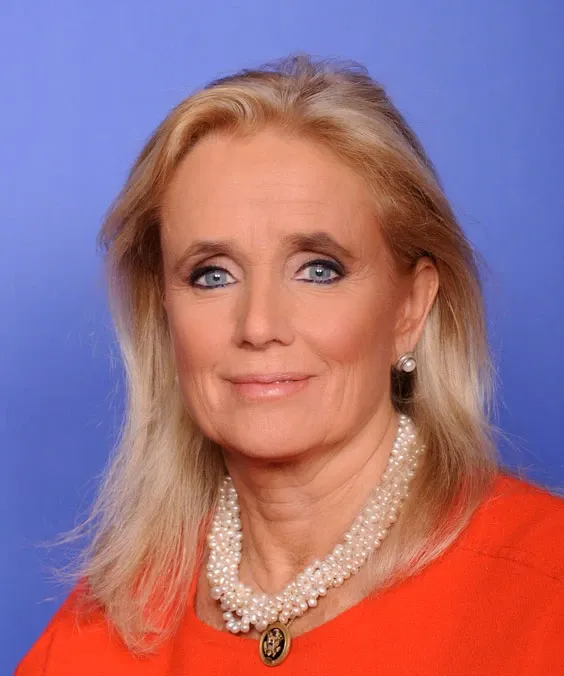
Elissa Slotkin is an American politician serving as the U.S. Representative for Michigan's 7th congressional district since January 3, 2019. A member of the Democratic Party, she has focused on issues such as national security, healthcare, and economic development. Slotkin's background includes experience as a former CIA analyst and as a senior advisor in the Department of Defense, which informs her legislative priorities and approach to governance. She has been active in advocating for bipartisan solutions and has worked on various initiatives to support her constituents in Michigan.
The proposal and action carried out by DHS to date have proven inadequate, harmful, and deadly.
Real oversight of this family separation policy and how DHS and CBP are currently treating asylum-seeking families and children is long overdue.
To me, and to many of my colleagues on our committee, this means that any criteria or justification that this administration uses to separate families at the border today must be carefully scrutinized and subject to Congressional oversight.
But the family separations that took place last summer had nothing to do with preventing human trafficking.
Like all of my colleagues, I am deeply committed to combating human trafficking at our Southern Border.
We have laws and procedures in place to protect migrant children and families seeking asylum.
Under the Trump administration, DHS has pursued increasingly restrictive immigration policies at our Southern Border that are having devastating humanitarian consequences.
Climate change is a national security issue that has implications for our military, for our installations, for our ranges, and, overall, the safety and security of the country.
I look forward to working across the aisle on this important amendment. I think it is not a partisan issue. It is an American issue. I look forward to talking with my Republican colleagues about how we can break this thing off and turn it…
A number of us wrote a letter, a bipartisan letter to the President asking that he reconsider his decision to fully pull out of Syria.
We heard in real time from our allies their deep, deep concern with the way that the U.S. and the administration was handling informing them about our plans in the world
We cannot fight global threats without a global coalition, that without partners and allies, our ability to protect ourselves is at least diminished
It just feels like it potentially wasn't enough if we are still dealing with those separations.
So what did you do? I understand it is complicated, we have a big bureaucratic system. When you saw those pictures of babies in cages, what did you do?
Let's remember that we have significant border locations to our north, and they shouldn't be ignored.
We require facilities to put into their site security plans measures that they would increase in the event we reach out to them and tell them that there is a specific or a more generalized elevated threat that they need to concern…
I get a lot of--I guess they would call them complaints from people back home, generally about the lack of information sharing.
If we started to see trends in, you know, these hacktivists or these cyber threats against chemical facilities, would you know about it?
So I think I can tell you with confidence that all facilities within the CFATS program, all facilities covered by CFATS, will have made connections with their relevant local first responders.
So how would a Member of Congress know after March whether the facilities in his or her district have communicated effectively with local law enforcement, that there is a shared understanding of kind-of the risks?
The burden of American greatness and our industrial might must be how we define these moonshot visions
So I know I have a very short time and thank you as a military spouse for ensuring that our military can vote.
Politicians like Elissa Slotkin