Feb 3, 2010
We are not going to let the laws of the Bahamas or anywhere else deny us information which we legitimately seek.
The Public Record
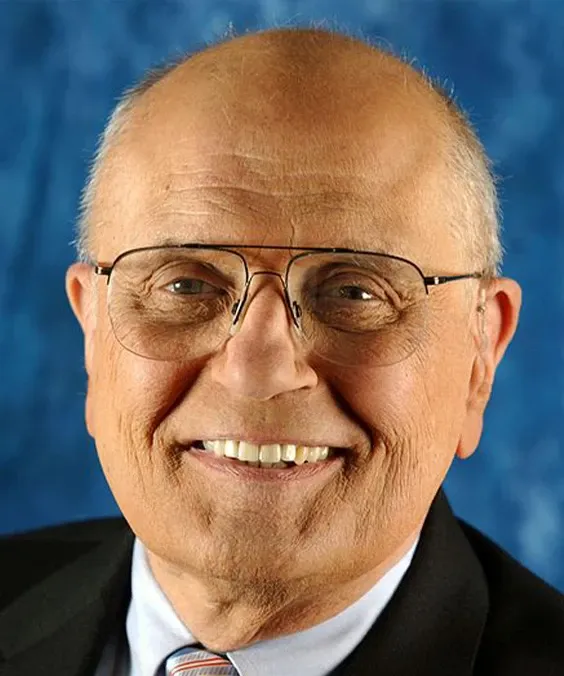
Carl Levin was a prominent American politician who served as a United States Senator from Michigan from 1979 until 2015. A member of the Democratic Party, Levin was known for his leadership on the Senate Armed Services Committee, where he played a key role in shaping U.S. military policy and defense spending. Throughout his tenure, he was an advocate for various issues, including environmental protection and consumer rights.
We are not going to let the laws of the Bahamas or anywhere else deny us information which we legitimately seek.
Is it HSBC's policy to facilitate, to help a client such as that client to move money offshore in order to avoid your own government's court order?
So you would agree that those accounts are actually the epitome of high-risk accounts and should have been handled that way?
Do you know whether or not Mr. Obiang is being considered for placement on this list?
I believe you indicated there was an increase in staffing, and I wasn't sure exactly where that increase was.
Will you let the Subcommittee know the next time that FinCEN or the Treasury looks at the three areas that we talked about today?
If you are not going to supply that, you will have to let us know why, because that, then, is going to become an issue between the Subcommittee and our authority.
You folks are encouraging your client to move money offshore to avoid legal process in your home country.
I can't even think of any other country that does it, but maybe there are some beside Angola.
I believe that we must work with this contingency in mind and plan to exit the country.
I think, is a significant step, and I hope it is taken note of, that the Bank of America, at least with a significant number or certain categories of clients, is going to obtain the beneficial ownership of those accounts.
The Department of Justice says about Mr. Obiang, that they are investigating suspected criminal conduct of Mr. Obiang and his associates involving the illicit transfer and laundering of assets believed to be derived from extortion…
But it shows just in this example that if we had some kind of a 'know your customer' rule for escrow agents, that it could make a real difference.
I agree with you completely that I would love to see broader application of these protections.
Unfortunately, the players in the government of Angola are the same, with a few key players in positions of power and closely managed under the leadership of the current President, Jose Eduardo Dos Santos.
I believe so and I am very proud that our record on that matter has evolved to where we are today.
It is important that happens because we don't have much standing to go after secret bank accounts and hidden bank accounts in offshore jurisdictions if we tolerate not knowing who the beneficial owners are of our own bank accounts here.
Knowing about that, would that trouble you to be involved in that kind of a transaction in any way?
Politicians like Carl Levin