Dec 1, 2009
I think that Afghanistan has a unique place in the historical narrative of these extremists that makes it especially important to us.
The Public Record
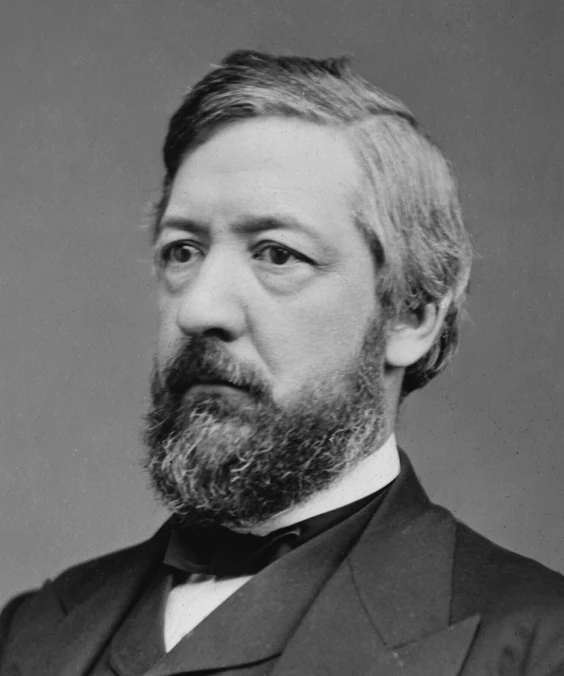
Susan Margaret Collins is a United States Senator from Maine, serving since January 7, 1997. A member of the Republican Party, Collins is known for her moderate stance on various issues, often working across party lines. Throughout her tenure, she has focused on a range of topics including healthcare, national security, and economic policy. Collins has been recognized for her independent approach to governance, often emphasizing the importance of bipartisanship in her legislative efforts.
I think that Afghanistan has a unique place in the historical narrative of these extremists that makes it especially important to us.
I am concerned, however, by reports that our Federal law enforcement and counterintelligence agents may have backed off from further inquiries into Major Hasan's activities based on concerns about his First Amendment rights.
But we do no favor to all of our fellow Americans who are Muslim by ignoring real evidence that a small number of their community have, in fact, become violent Islamists and extremists.
I want to make clear this morning that we intend to carry out this investigation with respect for the thousands of Muslim-Americans who are serving in the American military with honor and the millions of other patriotic, law-abiding…
The stresses are showing up in the form of breakdowns, suicides, sometimes homicides.
The prohibited activities that are listed in this manual are all geared toward organized activities.
Domestic intelligence collection remains a necessary and critical component of homeland security.
As Senator Collins says, it is important that we assure ourselves, we address these issues, because it is at the core of our obligation to protect our military service members and their families.
This case also raises questions about whether or not restrictive rules have a chilling effect.
To Senator Collins' question, these can be complicated, perhaps unnecessarily so.
The recent arrest of Najibullah Zazi demonstrates the tremendous benefits of information sharing.
We hope that one of the results of our investigation will be a new pamphlet on extremist activities that incorporates the lessons of this case.
I believe that on the capability side--I am coming back to Senator Coburn's question--we have a lot to do.
I agree with you that there are some agencies, DOD is an example, where there has been such a diminution of the acquisition workforce that probably more than 5 percent is needed.
Your point that a one-size-fits-all approach should not be taken is a good one.
It is far more fun and interesting and press-worthy to put the dollars into program people, or to launch some new initiative.
I believe that you need to understand that there will be resistance to this in some agencies despite their evident need because they are going to want to spend the money on other things.
private meetings are not the same as public hearings. And they are not. The public cannot see them.
I will continue to call them 'czars,' at least to the conclusion of this hearing and until a solution is found.
Politicians like Susan Collins