Mar 2, 2010
there now seems to be general agreement that CFATS is making a positive contribution to our national and homeland security and should be continued.
The Public Record
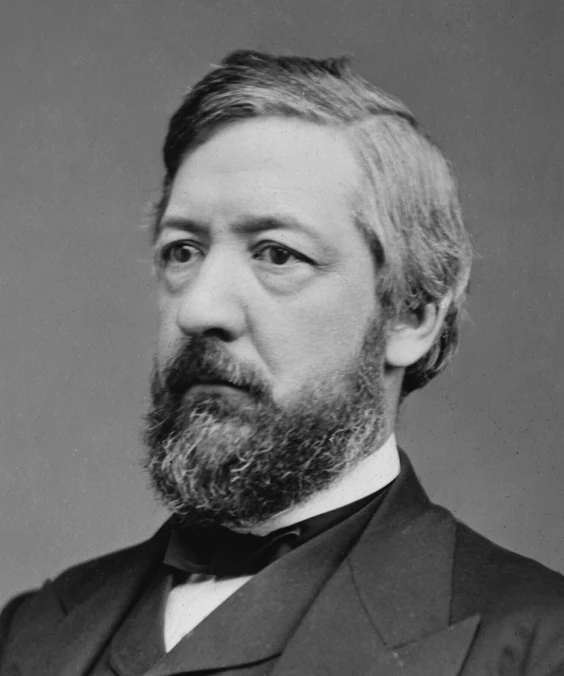
Susan Margaret Collins is a United States Senator from Maine, serving since January 7, 1997. A member of the Republican Party, Collins is known for her moderate stance on various issues, often working across party lines. Throughout her tenure, she has focused on a range of topics including healthcare, national security, and economic policy. Collins has been recognized for her independent approach to governance, often emphasizing the importance of bipartisanship in her legislative efforts.
there now seems to be general agreement that CFATS is making a positive contribution to our national and homeland security and should be continued.
From talking to many experts in this field, it seems that there is a great deal of dispute...
the notion here being that there is a range of activity that might allow these vulnerable facilities to reduce the risk both to themselves and to the surrounding communities.
I have long believed that we, as a Nation, are not paying sufficient attention to the dangers posed by mercury to our children and, in general, to all of our citizens.
It was very disappointing, and it also does nothing to advance what is an important debate and legitimate disagreements over IST and other issues which reasonable people could certainly disagree on.
I was making very clear that it was Congress' prerogative to reauthorize the law.
I want to thank our witnesses today for helping us understand this complex issue.
Mr. Poorman, when people think of the chemical industry, they tend to think of Dow Chemical.
In 2005, as Chairman of this Committee, I held a series of hearings on chemical security.
I want to thank the Department for the work that you've been doing to try to provide some assistance.
We're just asking that the full rulemaking process be followed so that we can have the opportunity for input.
It is an important issue. We did receive some funding, but this year the State--the conservationist, the head of NRCS, has allocated the AMA irrigation funds for other purposes.
Reduction to Border Patrol Premium Pay and Agent Staffing--CBP requests a reduction of $31.7 million in premium pay and agent staffing.
I worry that we are waiting for a cyber 9/11 before taking this as seriously as we must.
The Inspector General has told us that the budget that you are presenting would 'significantly inhibit' his ability to carry out the operations of his office and to lead the fight on waste, fraud, and abuse.
This Committee worked very closely with the Department's Inspector General (IG) in the wake of Hurricane Katrina, and working with the Inspector General, we were able to identify nearly $1 billion in wasteful and fraudulent spending, which…
when I hear that the cyber budget is cut by $19 million, it really concerns me.
If, in fact, you are going to proceed with a reduction or redeployment of Border Patrol agents, it makes no sense at all to prohibit that collaboration funded by Operation Stonegarden on the Northern Border.
When the Federal judges in Maine asked to meet with me to talk about border smuggling of methamphetamine, that was a real alarm call.
Raytheon won the large Warfighter FOCUS contract, worth approximately $11.5 billion over 10 years.
I cannot believe you really want these cuts for the Coast Guard. I know how highly you think of the Coast Guard.
Politicians like Susan Collins