Apr 5, 2016
The reality is defense spending as a percentage of GDP is the lowest today that it has been in 70 years.
The Public Record
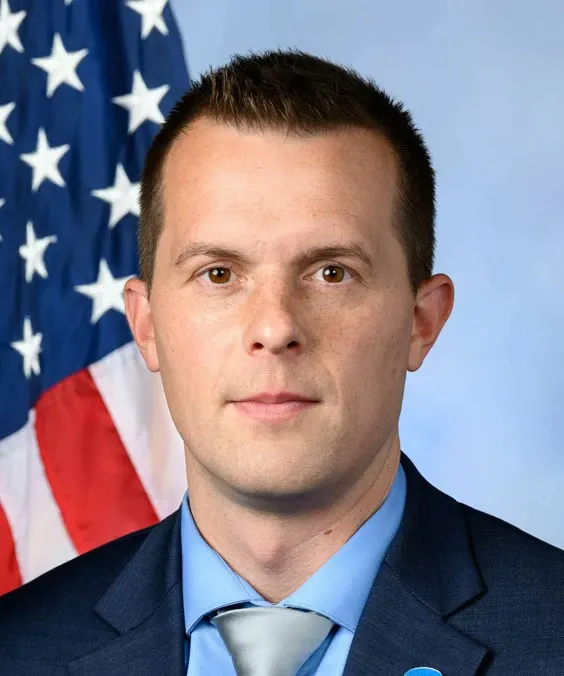
Angus Stanley King is an American politician serving as the junior United States Senator from Maine since January 3, 2013. A member of the Independent party, King previously held the position of Governor of Maine from January 4, 1995, to January 8, 2003. Throughout his political career, he has focused on issues such as education, healthcare, and renewable energy, often advocating for bipartisan solutions to complex problems. King is known for his moderate stance and willingness to work across party lines.
The reality is defense spending as a percentage of GDP is the lowest today that it has been in 70 years.
I just heard on the way over that the Navy has made a decision to name the DDG-120 the Senator Carl Levin, which I compliment.
There is a bill, S. 119, that I am a co-sponsor of, the Wounded Veterans Recreation Act.
I want to complement you and your Department on the work on the app for the passes.
The Guard rests to some extent on the good will and support of employers, and I am hearing resistance from employers.
In his 50 years of Government service, he has never seen a more complex, dangerous, and growing threat environment than what we are facing today.
We have got to build in flexibility for the family when the duty station changes but the school is still not done.
The other thing I would like for the record-- I had a conversation this morning with the Admiral, that 84 percent of his incoming recruits are from military families.
We are doing these drawdowns based upon decisions about budgets made in 2011 before ISIS, before Syria, before North Korea nuclear, before the South China Sea, before the Ukraine.
The retention is so important because if we could move the average retention out a year, that would be a significant savings across the board because of the training costs.
The largest question before this committee is, are we recruiting and retaining the people that we need?
I think we need to balance the things we ask of our services to do and especially in uncertain times like we have today.
Certainly we cannot avoid--or should we avoid budgetary considerations? We all have to live within budgets.
The cessation of hostilities is certainly better than the all-out war we were seeing before.
We have got to get back into the business of communications, it seems to me.
We cannot keep going for these very perfect weapon systems that everybody has a piece of.
It strikes me it underlines the foolishness of continuing to be governed by budget decisions made six years ago.
But, I take it you agree that we should move--Cyber Command should be its own combatant command.
So, I would urge you, with counsels of the administration, to push for a sense of urgency on this question.
When are we going to have a well-developed and articulated cyberdeterrence strategy?
Politicians like Angus King