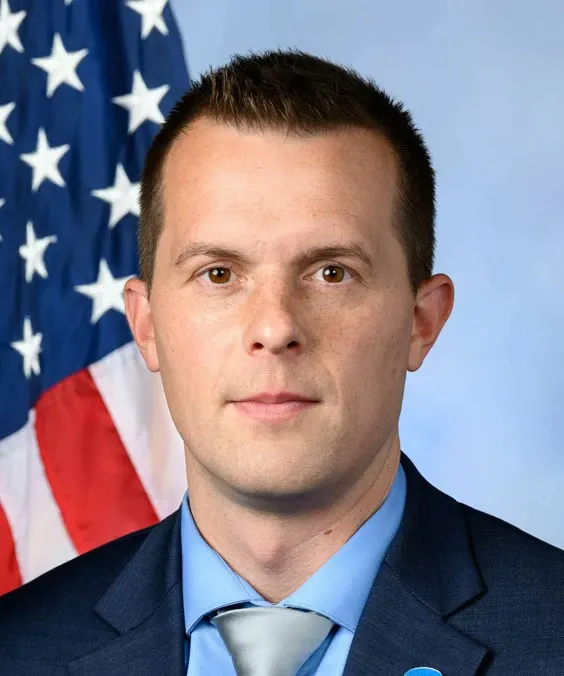
Angus King
The Public Record
Angus Stanley King is an American politician serving as the junior United States Senator from Maine since January 3, 2013. A member of the Independent party, King previously held the position of Governor of Maine from January 4, 1995, to January 8, 2003. Throughout his political career, he has focused on issues such as education, healthcare, and renewable energy, often advocating for bipartisan solutions to complex problems. King is known for his moderate stance and willingness to work across party lines.
Mar 25, 2014
We hope the Army does not go to 420,000, but it is probably going to somewhere in the neighborhood of 450,000.
Mar 25, 2014
We need to have our entire combat air forces, 80 percent of that has to be ready in 30 days.
Mar 25, 2014
If you take us to sequestration, we have already said that is going to be 175,000.
Mar 25, 2014
Are there morale issues in terms of multiple deployments, longer deployments? Is there a stress factor on your men and women?
Mar 25, 2014
I think if and when we do change the retirement system, we need to be very clear, right up front with the new cohorts coming in, as to what that retirement system is.
Mar 25, 2014
Congress has certainly had a major role in creating that situation, and I think we have to own up to that.
Mar 25, 2014
This is a zero-sum game that you're in, in terms of the way the budget caps work
Mar 25, 2014
It would help me to understand the context of this if, for the record, you guys could produce a graph.
Mar 10, 2014
Capital goes where it can earn a return and where there is a reasonable certainty of that return.
Mar 10, 2014
Nobody in this body, at least nobody that I know, and certainly not me, wants to gut regulation or wants to shortcut environmental review.
Mar 10, 2014
I think an inherently dangerous system for democracy, and it has become even more so in the last few years.
Mar 10, 2014
I have experienced--and I have also been a board member of large companies and small companies, particularly in the financial services field, so I have seen how regulation right now, I think, is far overburdening small community banks and…
Mar 10, 2014
I believe it is critical that we seek a better understanding of the regulatory process.
Mar 10, 2014
Clearly it is not healthy for democracy to have that amount of money sloshing around in the system.
Mar 10, 2014
Projects should be judged on their merits and not on who wins protracted legal battles.
Mar 10, 2014
We do not have the luxury of being able to impose regulations that are going to impose unnecessary costs on businesses in this country.
Mar 10, 2014
Over the years, regulations have helped keep our drinking water clean, they have ensured our food is more sanitary and labeled more accurately, and they have led to dramatic improvements in workplace health and safety.
Mar 10, 2014
Can we find a way to permit major projects at a cost that is not extraordinarily prohibitive?
Politicians like Angus King