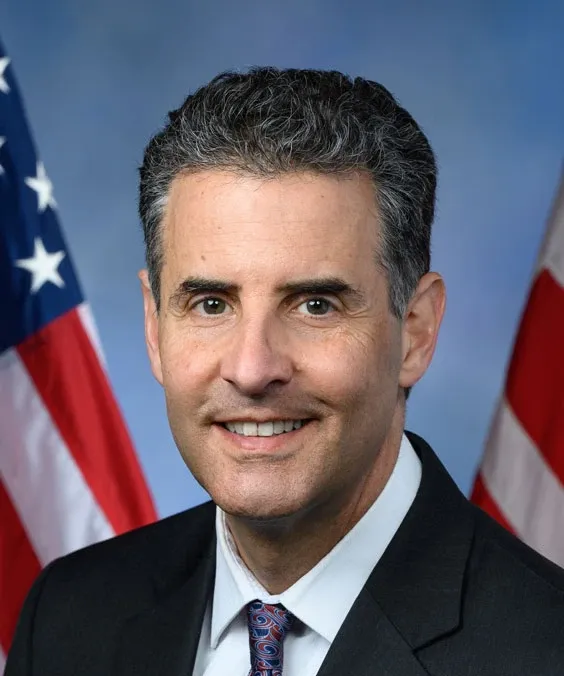
On the recordNovember 14, 2019
We are involved in a very serious process to determine whether the President of the United States has committed high crimes and misdemeanors. The Constitution provides for the removal of high officials who violate their oath of office, who violate the powers of their office, and who commit bribery or treason, or high crimes and misdemeanors. In the course of that process, we have been involved with numerous people asking for the whistleblower to testify. I will not speak to the substance of the consideration that is ongoing with respect to the impeachment of the President of the United States, but I do want to speak pointedly to the calls from so many that the whistleblower be identified. The whistleblower, of course, has no direct evidence to offer. What the whistleblower is is somebody who responded to ``if you see something, say something.'' We have witnesses to wrongdoing all over this country and all over the world, and our police departments have a line that is called an anonymous tip line so that somebody who sees something will say something. It is anonymous so that we do not intimidate those people or expose them to danger for coming forward to out criminal behavior. The President of the United States has made an analogy to this information coming forward as the result of spying, treason, which, as we all know, according to the President, can subject someone to capital punishment. Why do we have a whistleblower statute?…