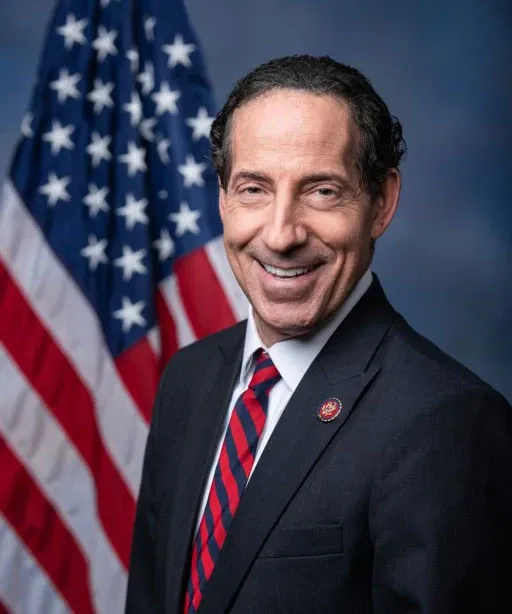
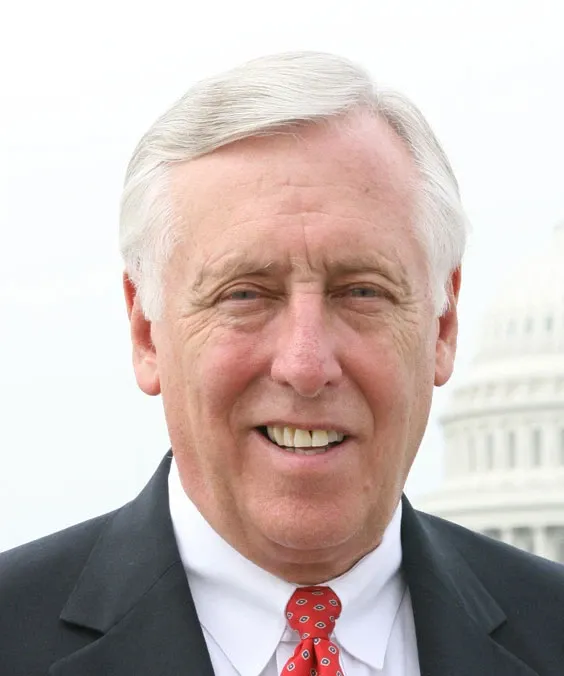
Of course, when we go into the international environmental conferences, they say, ``You are the biggest offender,'' because we are the most highly developed country and, therefore, we are put on the defensive in trying to get an agreement on the environmental standards. We are the most highly developed country, which is why in the trade negotiations they are so anxious to come into the American market, but we leave out of the trade negotiations the environmental issues. It just doesn't make sense. It is diminishing our ability, it seems to me, to negotiate comprehensive, fair trading arrangements that do not place our own producers at a significant disadvantage and do not create a downward pressure and downward movement with respect to protecting and enhancing the environment.
John Sarbanes: “Of course, when we go into the international environmental conferences, they say, ``You are the biggest offender,''…”
Editor's note · Context
Discussing the challenges of U.S. environmental standards in international trade negotiations.
Share
More from John Sarbanes
I hope that today's hearing is the first step in continuing that legacy of strong bipartisan support for the Chesapeake Bay in this Congress.
It is important to be clear that EPA's proposed standards are reasonable, performance-based emissions standards and constitute neither a national electric vehicle mandate nor an internal combustion ban.
Without the strong and continued investment the EPA has requested for the Chesapeake Bay Program in fiscal year 2024, the risk is we could jeopardize decades of work in collaboration towards the Bay's restoration.
They want to be on the field of their democracy. They want to feel like they have some power within their own democracy.