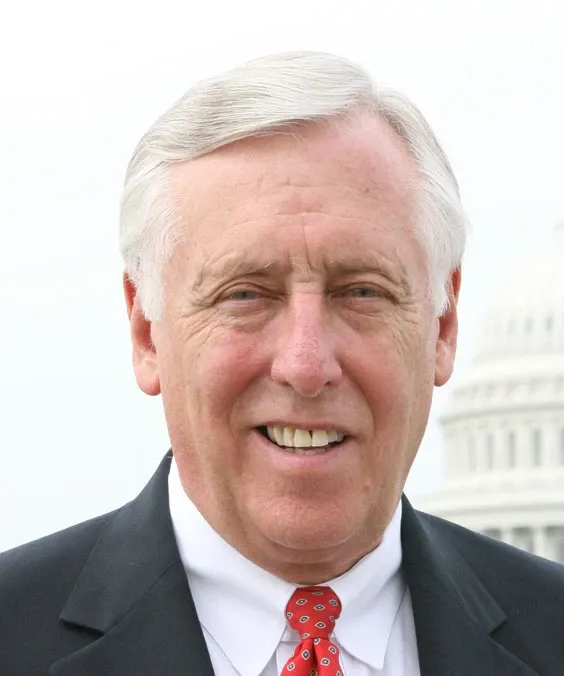
You have to look at what these votes are. Morocco, on important votes, was 54.5 percent; on overall votes, it was 21 percent. Cyprus was 22 percent on overall votes; on important votes, it was 58 percent. So there is a big gap between where they are on the important votes and where they are on the overall votes. Second, many of these plenary issues are not important matters to us. Of course, if a country abstains or is absent, that counts against them. This is not a way to do business, and the consequence of doing business this way, if we pass this amendment, would be to exacerbate our relationship with some very important countries, who have been very helpful and cooperative to the United States in trying to reach our objectives.
John Sarbanes: “You have to look at what these votes are. Morocco, on important votes, was 54.5 percent; on overall votes, it was 21…”
Editor's note · Context
Sarbanes discusses the voting patterns of Morocco and Cyprus and the implications of a proposed amendment on U.S. relations.
Share
More from John Sarbanes
Congress gave EPA this role more than 50 years ago under the Clean Air Act and reaffirmed that responsibility in 2005 under the Energy Policy Act.
Each of which--each of which--would hamper EPA's ability to regulate air pollution and, unfortunately, continues this Republican agenda of putting Big Oil interests over the interests of the public.
We would like to thank Rep. Sarbanes for introducing this important piece of bipartisan legislation
Without the strong and continued investment the EPA has requested for the Chesapeake Bay Program in fiscal year 2024, the risk is we could jeopardize decades of work in collaboration towards the Bay's restoration.