But what you are doing when you show me those charts is you are assuming no action. Just as in 1992, if you assumed no action, you would have shown a chart of great concern. We took action and, therefore, the situation was improved. Now I am not asserting that the action taken thus far is a complete response to the problem. But I am trying to make the point that these scare scenarios are all premised on sort of doing nothing. We had one before. We did something. We got a very substantial improvement. We need to do even more in order to have further improvement. And the hangup is essentially connected with the rising costs of medical care. If you break out the analysis and say, ``What is it that is growing that is going to create this problem in the future?'' It is the cost of medical care.
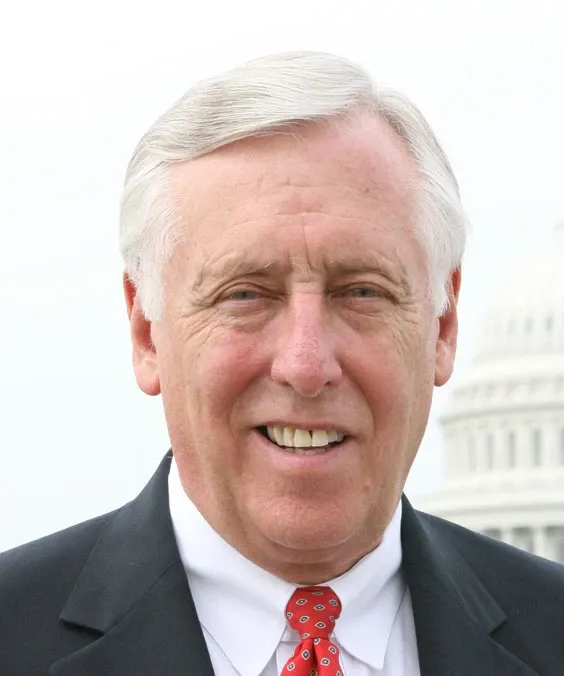
John Sarbanes: “But what you are doing when you show me those charts is you are assuming no action. Just as in 1992, if you assumed no…”
On the recordFebruary 3, 1995
Source
govinfo.govEditor's note · Context
Discussing the impact of action versus inaction on medical care costs.
Share
More from John Sarbanes
Oct 17, 2023
I hope that today's hearing is the first step in continuing that legacy of strong bipartisan support for the Chesapeake Bay in this Congress.
Oct 17, 2023
We would like to thank Rep. Sarbanes for introducing this important piece of bipartisan legislation
Oct 17, 2023
This bill takes important steps to support the ongoing restoration of the Chesapeake Bay by reauthorizing NOAA's Chesapeake Bay Office and authorizing the agency's long-running Bay Watershed Education and Training, or B-WET Grant program.
Oct 17, 2023
The health of the Chesapeake Bay and its watershed can only continue to improve through robust Federal, state, and local partnerships.