Yes. The President could do that. Generally speaking, the President would use 212 and 213 in addressing foreign availability and mass marketing, because that is the process, as I spelled out, that has certain benefits that flow from its use. But he would not have to do that. He could invoke 201(d). That is why I said earlier in my opening statement that I thought this legislation gave very significant authorities to the President to make these judgments about national security and foreign policy interests, and it is one of the reasons that I think the administration, after very careful review of this legislation, is so supportive of it.
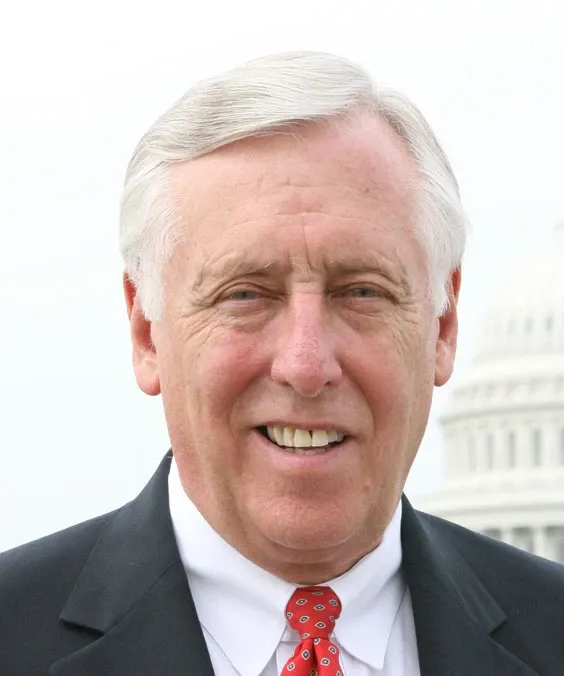
John Sarbanes: “Yes. The President could do that. Generally speaking, the President would use 212 and 213 in addressing foreign…”
Editor's note · Context
Discussing presidential authorities in relation to national security and foreign policy in proposed legislation.
Share
More from John Sarbanes
It is important to be clear that EPA's proposed standards are reasonable, performance-based emissions standards and constitute neither a national electric vehicle mandate nor an internal combustion ban.
Each of which--each of which--would hamper EPA's ability to regulate air pollution and, unfortunately, continues this Republican agenda of putting Big Oil interests over the interests of the public.
Without the strong and continued investment the EPA has requested for the Chesapeake Bay Program in fiscal year 2024, the risk is we could jeopardize decades of work in collaboration towards the Bay's restoration.
We would like to thank Rep. Sarbanes for introducing this important piece of bipartisan legislation