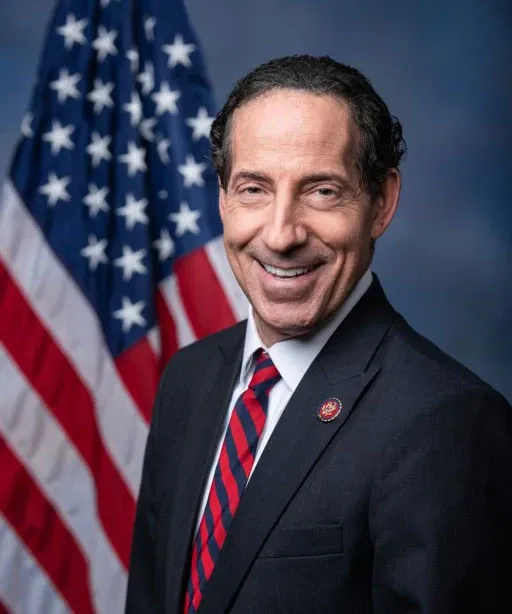
It is interesting. The current system I think is seen by most people as working fairly well. In fact, many fine financial institutions do not complain about it. They are prepared to continue to work under the current system, and many of them have even said they see strong positive value in it. So it seems to me this is an effort to institute an important change that would really cut off open comment. You see, none of this is done, as I understand it, in the committee bill with respect to management or capital or any of the other issues the regulators look at when they undertake to consider one of these mergers or affiliations. It is being applied only to CRA. I mean CRA is being singled out for the application of this kind of prescreening, as it were, of people's ability to come in and make their comments.
John Sarbanes: “It is interesting. The current system I think is seen by most people as working fairly well. In fact, many fine…”
Editor's note · Context
Discussing the implications of changes to the Community Reinvestment Act during a House debate.
Share
More from John Sarbanes
I hope that today's hearing is the first step in continuing that legacy of strong bipartisan support for the Chesapeake Bay in this Congress.
Are you looking at ways to redesign core features like the ones I mentioned to be less manipulative--excuse me--and addictive for users, and can you commit to making some of those modifications here today?
each of which--each of which--would hamper EPA's ability to regulate air pollution and, unfortunately, continues this Republican agenda of putting Big Oil interests over the interests of the public.
I was unable to vote today. Had I been present, I would have voted ``yea'' on rollcall No. 272, H.R. 1606; and ``yea'' on rollcall No. 273, H.R. 3672. personal explanation