Jun 6, 2017
I would ask the Department of Justice to review its policies and procedures as well for responding to families such as the Terry family when Federal agents lose their lives in the line of duty in defending this country.
The Public Record
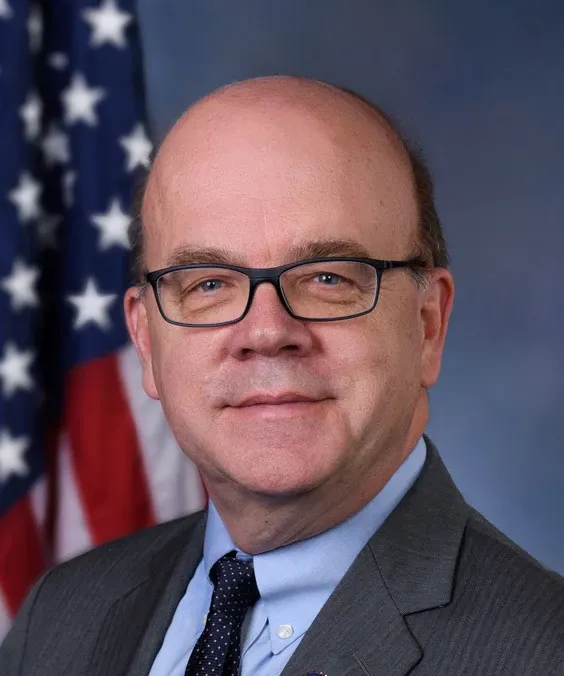
Stephen Francis Lynch is an American politician serving as the U.S. Representative for Massachusetts's 8th congressional district since 2001. A member of the Democratic Party, Lynch has focused on issues such as healthcare, labor rights, and economic development throughout his tenure. He has been an advocate for working families and has worked to secure funding for various projects in his district.
I would ask the Department of Justice to review its policies and procedures as well for responding to families such as the Terry family when Federal agents lose their lives in the line of duty in defending this country.
It jeopardized the safety of our postal workforce and customers, as well as the free flow of information and commerce that the constitutional responsibility of the United States Postal Service requires. But rather than refusing to go to…
I thank the gentleman from Virginia for yielding, and I join him in opposition to this bill. While originally my remarks would have been much kinder to the bill, and I may have considered supporting it, I did not consider it favorably in…
This committee has a long and strong history of really delving into some of the most important issues facing the American people, and it just mystifies me that we have chosen this topic.
I have to say that the Financial CHOICE Act of 2017 is probably the worst bill that I have seen in my time in Congress.
This essentially repeals Wall Street reform, okay? And I was here when the market went in the toilet.
This bill repeals the Volcker Rule, which stops banks from gambling with taxpayer money and depositors' money.
I am very proud of the Federal Government's willingness and eagerness to hire our veterans.
We think, in order to restore the credibility of the DEA, that we have to be honest and open with the American people.
We represent the people, not the staff. The information, by its very nature, should be public.
I don't think it's a stretch to say that the majority of Americans today feel that the rapid advances in surveillance technology have far outpaced the ability of Congress to protect the basic privacy of American citizens.
Politicians like Steve Lynch