Jul 20, 2020
I share the same goals as Mr. Crow and my colleagues. And I have tremendous respect for Representative Omar, who has brought this amendment forward for debate. I don't think there is anyone who wants to bring the troops home more than…
The Public Record
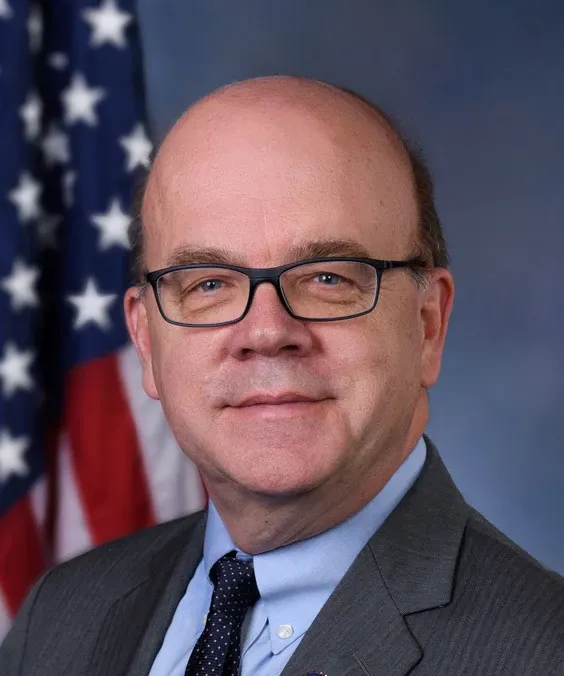
Seth Moulton is an American politician and former United States Marine Corps officer currently serving as the U.S. Representative for Massachusetts's 6th congressional district since 2015. A member of the Democratic Party, Moulton has focused on issues such as national security, veterans' affairs, and economic opportunity. He gained national attention for his candidacy in the 2020 Democratic presidential primaries, advocating for a new generation of leadership within the party.
I share the same goals as Mr. Crow and my colleagues. And I have tremendous respect for Representative Omar, who has brought this amendment forward for debate. I don't think there is anyone who wants to bring the troops home more than…
We have got to move more quickly. And we have got to recognize that experimentation is okay.
From what I can tell, the Chinese see the future in unmanned vehicles: surface, subsurface, aerial, and space.
We are here today to fundamentally do our jobs. That is something that we ask of our troops every single day across the world on the front lines in places like Iraq, Syria, Afghanistan, and throughout Africa. There is bipartisan concern…
I do wish they had been successful, and it is an effort that we should try to do again.
I want to commend two fellow veterans on this Committee, the Ranking Member, Mr. Womack, and my friend, Mr. Johnson, for really having the political courage, which is difficult these days, to raise the constitutional issues with what Mr…
If President Obama had unilaterally moved money from building Navy ships and C-130's and other defense priorities to address climate change, would that be an action that you would support?
I hope that is a yes, because your budget cuts CDC's Infectious Disease Rapid Response Fund by $35 million.
I am glad to hear that, frankly, you have the courage to disagree with the President's budget request.
I don't personally support Medicare for All, but I certainly support the principle that we should be expanding health care access to Americans.
We need to do it more. I am the co-chairman with Representative Jim Banks, a Navy veteran, of the Future of Defense Task Force.
Politicians like Seth Moulton