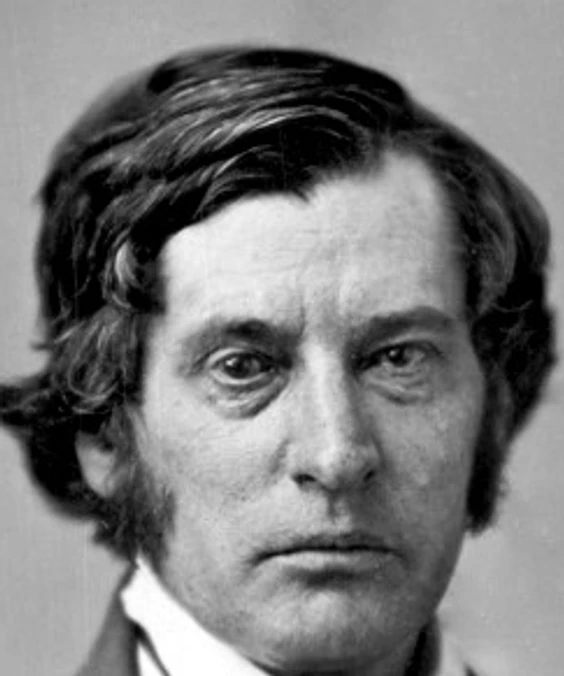
Webster says there are independent courts at the south, “always open and ready to receive and decide upon petitions or applications for freedom.” Suppose this to be true; how is a man or a woman, whose master knows that he or she is free, to get to the courts?
Horace Mann: “Webster says there are independent courts at the south, “always open and ready to receive and decide upon petitions or…”
Editor's note · Context
Mann questions the practicality of accessing justice for freed individuals in the South, as suggested by Webster.
Share
More from Horace Mann
Let me read to you the disparaging and contemptuous remark of the address on that great palladium of human liberty, the trial by jury.
These are but specimens of what the Fugitive Slave law has already done, before the public mind has become familiarized with its brutalities, and while there is yet some sensibility to the claims of justice and mercy left among us.
The man of independent circumstances has this liberty; and no man’s circumstances, not even the poorest and the humblest, should be so dependent as to take it away.
A southern slave stands higher, politically, than a northern laborer, if the latter must vote as his employer dictates.