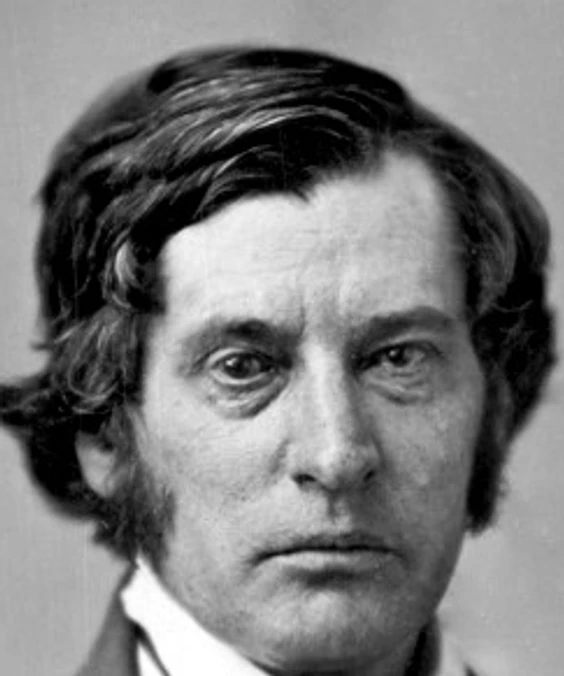
If, then, this power is a “judicial power,” the constitution peremptorily forbids that it should be vested any where but in a “court,” whose “judges” are nominated, confirmed, sworn, hold office, are paid, and are removable, according to its requirements.
Horace Mann: “If, then, this power is a “judicial power,” the constitution peremptorily forbids that it should be vested any where but…”
Editor's note · Context
Mann argues that if the power in question is judicial, the Constitution mandates that it must reside within a court, adhering to its stipulations.
Share
More from Horace Mann
Let me read to you the disparaging and contemptuous remark of the address on that great palladium of human liberty, the trial by jury.
A southern slave stands higher, politically, than a northern laborer, if the latter must vote as his employer dictates.
The kidnapper, Alberti, now lies in a Pennsylvania prison for carrying away a mother and her child; but the mother and the child are now groaning under the lash of a southern taskmaster.
But such largesses to slavery as kings could not afford to give, and the robbery of an entire race of all its rights,--yes, and with authority, too, to make us help commit the robbery,--these are “factitious and imaginary” causes of…