On the record
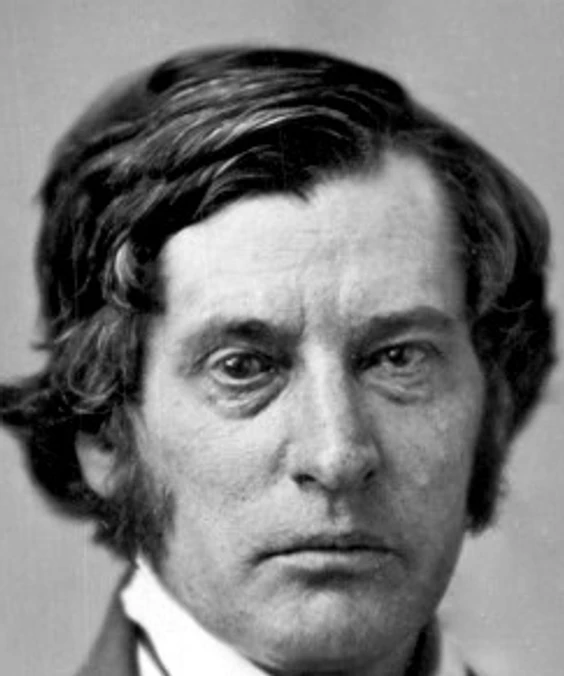
The phraseology with which he clothed some commonplace or mean thought or fact, when he was compelled to use commonplace arguments, or to tell some common story, kept his auditors ever alert and expectant.
Source
gutenberg.orgThe phraseology with which he clothed some commonplace or mean thought or fact, when he was compelled to use commonplace arguments, or to tell some common story, kept his auditors ever alert and expectant.
Hoar comments on how a speaker's phrasing can keep an audience engaged, even with mundane topics.
Share
More from George F. Hoar
We bring you the heart's love of Boston where you were born, and Worcester where you took the early vows you have kept so well; of Massachusetts who knows she has no worthier son, and of the great and free country to whom you have taught…
To go fully into the role of the number three in British traditions would require a profound study; but it may be useful briefly to note its influence on the Bardic poetry-- the Triads, where the subjects are all grouped in threes.
We are here in the sweet silence of a summer morning, eighteen hundred years after such a scene, and able mentally to catch some glimpse of it; some echo of the storm that has left behind it so ineffaceable a mark.
It is not too much to say that most of the main roads in England are Roman; but the very continuity of their use has caused this to be overlooked.
Other voices in this conversation