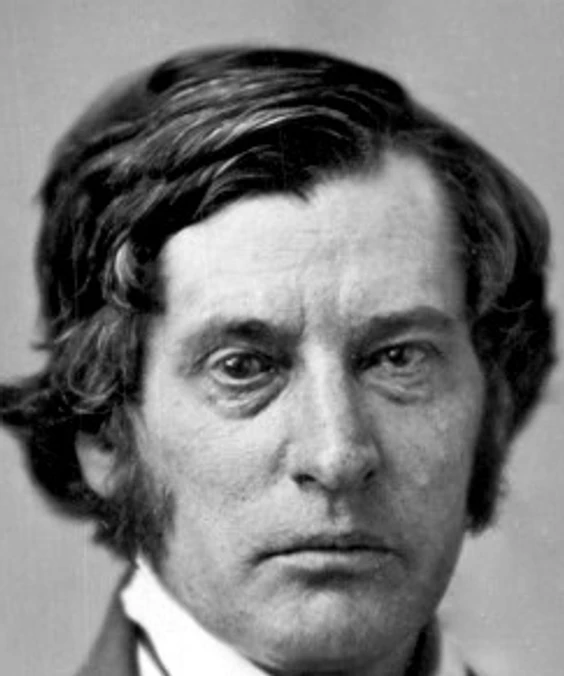
On the record
To do what is right argues superior taste as well as morals; and those whose practice is evil feel and inferiority of intellectual power and enjoyment, even where they take no concern for a principle.
Source
gutenberg.orgTo do what is right argues superior taste as well as morals; and those whose practice is evil feel and inferiority of intellectual power and enjoyment, even where they take no concern for a principle.
Hoar posits that moral actions reflect a higher intellectual and emotional state, contrasting good and evil practices.
Share
More from George F. Hoar
And the Greeks, in turn, owed their astronomy to the Egyptians, with whom the year was reckoned as of three hundred and sixty days; and this three hundred and sixty-day year gives us the clue to the forty-day period for holding the Forest…
The language Statius uses is more simple than mine; but this is substantially the picture he gives: and I know of nothing that so impresses on the imagination the thunder of the power of the Roman Empire as this creation in the wilderness…
It is not too much to say that most of the main roads in England are Roman; but the very continuity of their use has caused this to be overlooked.
We bring you the heart's love of Boston where you were born, and Worcester where you took the early vows you have kept so well; of Massachusetts who knows she has no worthier son, and of the great and free country to whom you have taught…
Other voices in this conversation