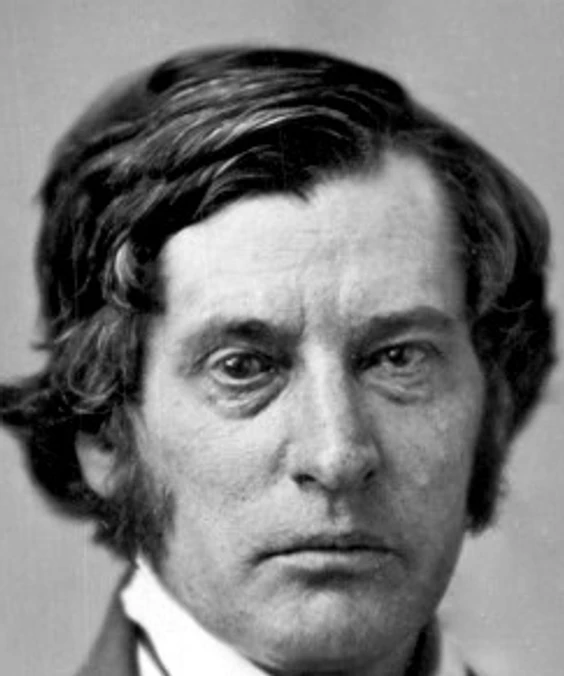
On the record
He earnestly resisted, in the Convention of 1820, the abolition of the property qualification for voters, and of the obligation of all citizens to be taxed for the support of religious worship.
Source
gutenberg.orgHe earnestly resisted, in the Convention of 1820, the abolition of the property qualification for voters, and of the obligation of all citizens to be taxed for the support of religious worship.
Hoar's opposition to changes in voting rights and taxation reflects his commitment to certain civic principles.
Share
More from George F. Hoar
This Treaty would make us a vulgar, common place empire, controlling subject races and vassal states, in which one class must forever rule and other classes forever obey.
But I like to think he will be sent on some errands like that of the presence which came to Ben Adhem with a great wakening light, rich and like a lily in bloom, to tell him that the name of him who loved his fellow men led all the names…
The language Statius uses is more simple than mine; but this is substantially the picture he gives: and I know of nothing that so impresses on the imagination the thunder of the power of the Roman Empire as this creation in the wilderness…
We bring you a more costly and precious gift than any jewel or diadem, though it came from an Emperor's treasury.
Other voices in this conversation