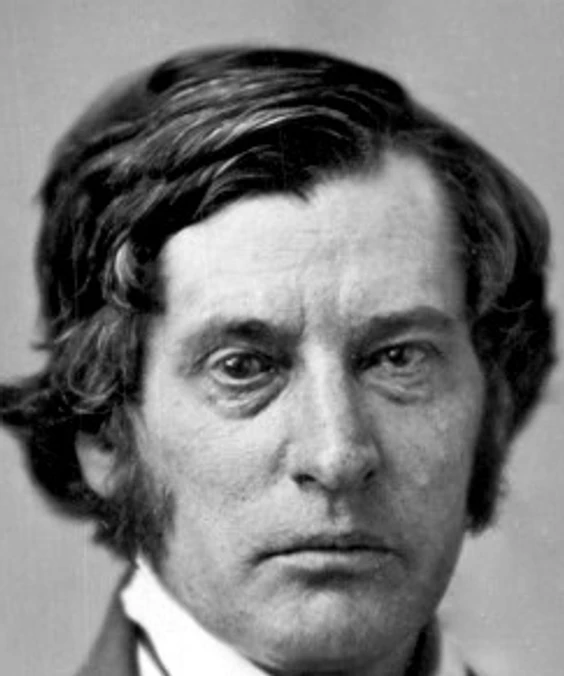
On the record
The scene had been enacted in thought and the man had become rotten before the time of the outward act.
Source
gutenberg.orgThe scene had been enacted in thought and the man had become rotten before the time of the outward act.
Hoar discusses the internal moral decay that precedes outward actions.
Share
More from George F. Hoar
This Treaty would make us a vulgar, common place empire, controlling subject races and vassal states, in which one class must forever rule and other classes forever obey.
We are here in the sweet silence of a summer morning, eighteen hundred years after such a scene, and able mentally to catch some glimpse of it; some echo of the storm that has left behind it so ineffaceable a mark.
The language Statius uses is more simple than mine; but this is substantially the picture he gives: and I know of nothing that so impresses on the imagination the thunder of the power of the Roman Empire as this creation in the wilderness…
We speak of a light that makes darkness visible; and similarly there are sounds that deepen the long intervals of silence with which they alternate.
Other voices in this conversation