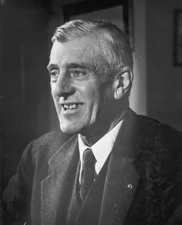
On the record
England was saved from despotism and an absolute monarchy by the exercise of the power of the House of Commons to refuse supplies except upon conditions that grievances should be redressed . . . .
Source
gutenberg.orgEngland was saved from despotism and an absolute monarchy by the exercise of the power of the House of Commons to refuse supplies except upon conditions that grievances should be redressed . . . .
Hoar reflects on the historical significance of the House of Commons in preventing tyranny through financial control.
Share
More from George F. Hoar
We are here in the sweet silence of a summer morning, eighteen hundred years after such a scene, and able mentally to catch some glimpse of it; some echo of the storm that has left behind it so ineffaceable a mark.
We bring you the heart's love of Boston where you were born, and Worcester where you took the early vows you have kept so well; of Massachusetts who knows she has no worthier son, and of the great and free country to whom you have taught…
To go fully into the role of the number three in British traditions would require a profound study; but it may be useful briefly to note its influence on the Bardic poetry-- the Triads, where the subjects are all grouped in threes.
We speak of a light that makes darkness visible; and similarly there are sounds that deepen the long intervals of silence with which they alternate.
Other voices in this conversation