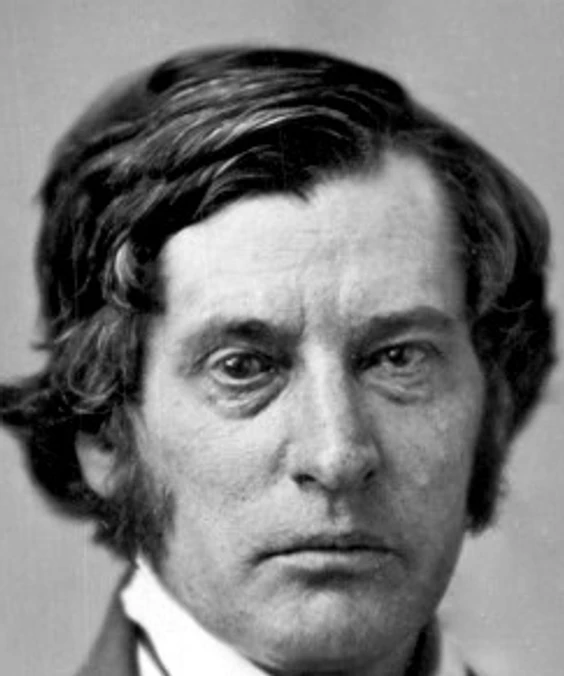
I have learned of him the great virtue of Hope; to judge of mankind by their merits and not their faults; to understand that the great currents of history, especially in a republic, more especially in our Republic, are determined by great and noble motives and not by mean and base motives.
George F. Hoar: “I have learned of him the great virtue of Hope; to judge of mankind by their merits and not their faults; to understand…”
Editor's note · Context
Hoar reflects on the virtues he learned from Edward Everett Hale, particularly the importance of hope and understanding humanity's merits.
Share
More from George F. Hoar
If there is anything more beautiful than a moonlight summer night in the heart of the Forest of Dean, it is its transformation into a summer morning, with the sparkle of dew on the grass, and the sunrise on the trees; with the music of…
We bring you the heart's love of Boston where you were born, and Worcester where you took the early vows you have kept so well; of Massachusetts who knows she has no worthier son, and of the great and free country to whom you have taught…
The language Statius uses is more simple than mine; but this is substantially the picture he gives: and I know of nothing that so impresses on the imagination the thunder of the power of the Roman Empire as this creation in the wilderness…
This quaint old room, with its great oak beam overhead, and its kitchen grate wide enough to roast a deer--this strange blending of an hotel dining-room and a Court of Justice, has nevertheless a link with the far distant past more…