Jul 30, 2009
Some of the credit also belongs to President Obama and the stimulus program. Not just the stimulus program but foreclosure program, efforts to get credit moving.
The Public Record
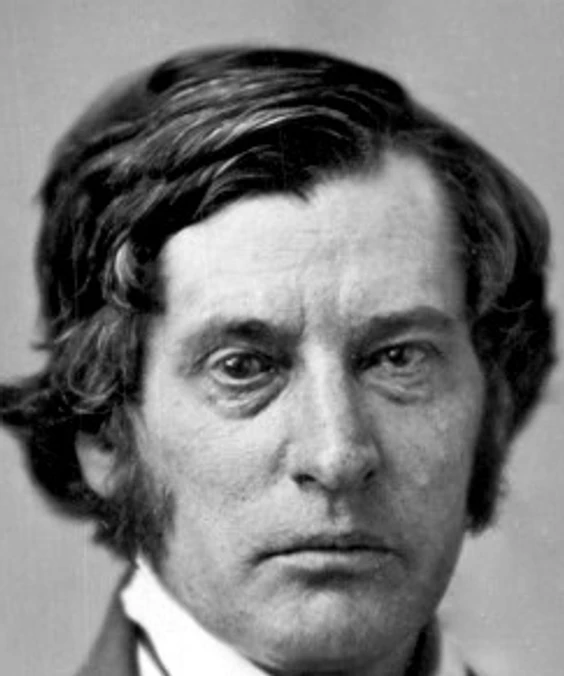
David Gergen was an American political commentator and advisor who served in the administrations of four U.S. presidents, providing insights and guidance on various political matters. Born on May 9, 1942, in Massachusetts, Gergen held significant roles in both Republican and Democratic administrations, showcasing his ability to navigate the political landscape across party lines. He was also a professor of public service at Harvard University, where he influenced a new generation of leaders. In addition to his academic work, Gergen was a senior political analyst for CNN, contributing to public discourse on current events until his passing on July 10, 2025.
Some of the credit also belongs to President Obama and the stimulus program. Not just the stimulus program but foreclosure program, efforts to get credit moving.
But if you're President Obama tonight, you can at least say this. We -- this country, under a variety of presidents, went back to the 1940s, have been trying to have national health care passed.
No president has ever gotten it to a vote on the House or the Senate. And President Obama is about to get there.
But, you know, in politics, it -- all these things matter less. And when you are the incumbent and things start looking a little better, you claim credit, and you usually get it.
The danger for President Obama now is that the -- there is another parallel. And that is that the Clinton plan started out as very popular, but, over time, support for it crumbled in the public.
But the danger for President Obama now is -- that there is another parallel. And that is -- that the Clinton plan started out as very popular but over time the support for it crumbled in the public.
I think, if you look at it, they didn't fully anticipate -- and some would say no economist really understood it.
Joe Biden, on this one, I must say, about misreading it, you know, his -- his -- his problem was, he told the truth.
And, you know, the -- the -- the bill they passed, while historic, in the House of Representatives was a very watered-down bill.
It's a very significant trip, because he is meeting with the heads of other industrialized nations, and he's got a big meeting tomorrow with -- the Chinese will be represented.
They didn't fully anticipate and some would say no economist really understood it.
I must say about misreading it, his problem was he told the truth. And it's an inconvenient truth for the White House.
Well, he's -- you're right, Anderson. And this stimulus question and the question of the stubbornly high unemployment that the White House has now come, I think, increasingly to accept, that the recovery will not be fast.
The bill they passed, while historic in the House of Representatives, was a very watered-down bill at a time of great economic stress.
It's a very significant trip because is he meeting with the heads of other industrialized nations and he's got a big meeting tomorrow with -- the Chinese will be represented, their leader has gone back because of the unrest in China.
Now he goes into these industrialized nations. They really hope to get something done on climate change.
Over the weekend Vice President Biden also seemed to give a blinking green light to the possibility that Israel might strike as a sovereign nation if the Iranians don't negotiate.
This was relatively easy. The tough things are still ahead. Whether it's missile defense or whether -- what to do about Georgia, Ukraine coming into NATO.
It's important in its own right, Anderson, because it continues a pattern now some 18 years long, of reducing the armaments on both sides as of 1991, when the START talks started. Over 10,001 heads on each side. This treaty will put us…
That's absolutely right, Anderson. I think a lot of Americans are having trouble adjusting to this idea that, after we've seen the repression and the bloodshed and know how many people are now being tortured that we can't see with cameras…
It is important in its own right, Anderson, because it continues a pattern now some 18 years long reducing armaments on both sides; as of 1991 when the talks started, over 10,000 warheads with each side. This treaty will put us under 2,000…
She wanted to travel the country. So it's clear she's not leaving politics.
She asked the voters of Alaska to give her four years. She quit after two and a half.
When the going gets tough, the tough get going. And now, she is trying to persuade us of a new adage and that is, 'When the going gets tough, the tough quit.'
Politicians like David Gergen