Jan 15, 2014
Social Security must be held accountable for failing the American taxpayer and work to restore their trust.
The Public Record
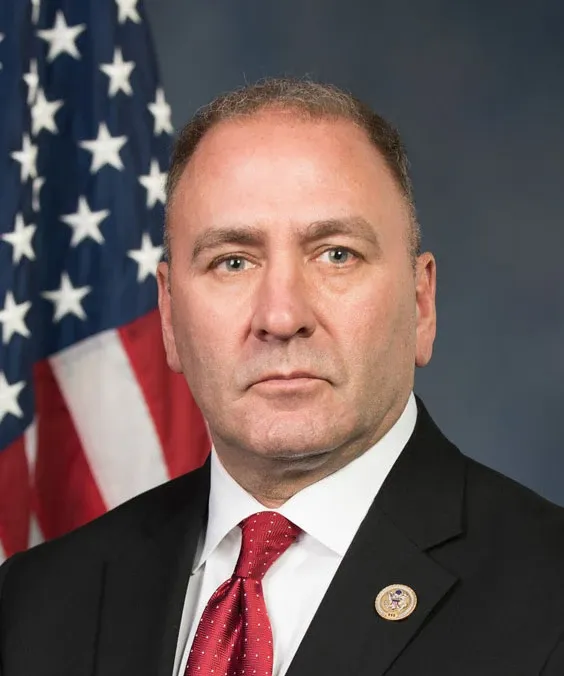
Mike Johnson is an American attorney and politician currently serving as the U.S. Representative for Louisiana's 4th congressional district, a position he has held since January 3, 2017. A member of the Republican Party, Johnson has focused on various issues during his tenure, including fiscal responsibility and national security. He has been involved in legislative discussions surrounding war funding and government operations, emphasizing the need for appropriate timing and details in such matters.
Social Security must be held accountable for failing the American taxpayer and work to restore their trust.
With the Disability Insurance program unable to pay full benefits as early as 2016, my number one priority has been to keep this program strong for those who truly need it and protect taxpayer dollars.
Scandal after scandal proves the Social Security Administration is failing to protect precious taxpayer dollars and undermines Americans' confidence in this vital program.
On behalf of hardworking American taxpayers, I am committed to getting answers and rooting out waste, fraud and abuse.
The widespread disability fraud uncovered in Puerto Rico and most recently in New York is deeply troubling and unacceptable.
A massive Social Security Disability Insurance fraud scheme in New York that could cost taxpayers hundreds of millions of dollars.
The problem is, of course, that once you extend this protection of the bank holding company status to the investment banks, which was done in the fall of 2008, Goldman Sachs and Morgan Stanley became bank holding companies, that has come…
I completely agree with what Mr. Funk said, which is that the original intent of the Volcker Rule is to reduce systemic risk.
If vigorously enforced, Title I says that the living wills lay out how your firm is going to go bankrupt.
I completely agree with you, Senator Brown, that this should be an integral part of our budget thinking.
The problems don't stop at the technical failures of a Web site. The real problem stems from the colossal failure to deliver what this law promised the American people.
We have got to get serious about better protecting this program which is paid for by America's hard-working wage earners, and Americans want, need and deserve no less.
Clay's instincts were to be bipartisan if possible and a gentleman legislator always.
At a time when the Disability Insurance program will be unable to pay full benefits beginning in 2016, it is deeply troubling that Social Security is doling out millions of dollars in fraudulent taxpayer-funded payments.
The widespread disability fraud uncovered in Puerto Rico raises serious questions about Social Security's management of the disability program.
We all remember him. Clay was one of the best, a great American, a diplomat, and a joy to work with regardless of your politics.
Americans deserve answers. On behalf of the American taxpayer, I am committed to getting the answers and rooting out waste, fraud and abuse so that we can help keep the program strong for those who truly need it.
Through his leadership the committee achieved a number of legislative accomplishments for America and its people.
The Supreme Court stated very clearly 'Americans have a choice. They can either buy government-approved health insurance or they can choose not to and instead pay a penalty.'
If it was a bad idea to enforce this in 2014, I cannot imagine it is going to be a good idea in 2015.
I hate to see a dictatorship come into this country, but it sure looks like that is what is happening with health care.
Politicians like Mike Johnson