Feb 1, 2016
So, you are concerned that it opens the floodgates to other types of critters that might be involved with the Endangered Species Act or----
The Public Record
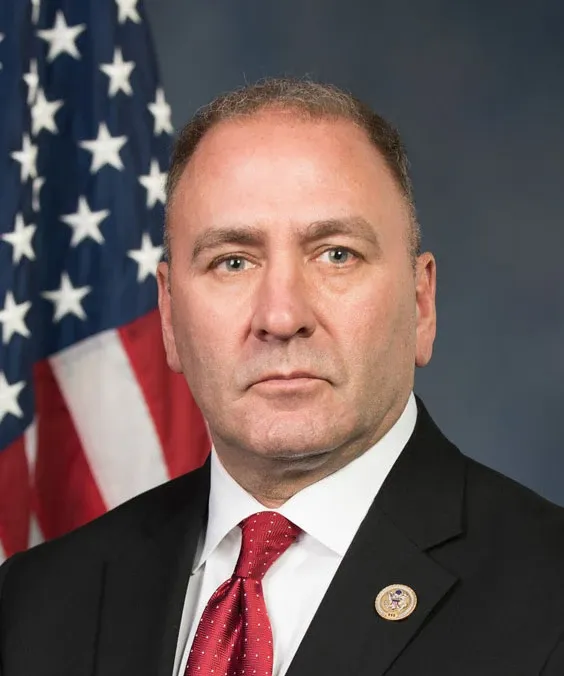
John Fleming is a Republican politician from Louisiana who served as a member of the U.S. House of Representatives from 2011 to 2017. During his time in Congress, he represented Louisiana's 4th congressional district, where he focused on issues such as healthcare, fiscal responsibility, and veterans' affairs. Fleming, a physician by profession, has been an advocate for conservative healthcare reforms and has emphasized the importance of reducing government spending. After leaving Congress, he has remained active in political circles and has been involved in various initiatives related to healthcare and public policy.
So, you are concerned that it opens the floodgates to other types of critters that might be involved with the Endangered Species Act or----
This is what the American people are very upset about, is the bureaucracy in America that seems to be self-serving, and not listening to the American people.
This bipartisan bill exempts two species from the U.S. Fish and Wildlife Service's seafood licensing requirements.
H.R. 3070, introduced by our colleague Lee Zeldin from New York, corrects a unique navigational issue in Block Island Sound.
This is a classic case of where the left arm of the Federal Government is acting against the wishes of the right arm.
This inconsistency has nothing to do with making seafood safer, but it has a lot to do with feathering an agency's nest with import and export fees that are passed on to the consumer.
It is my hope that the agencies before us today are willing to work with us on solutions.
This legislation is about increasing access and local control, not restricting it.
Law-abiding, responsible fishermen should not be punished for doing their jobs.
The Administration has been widely criticized for failing to respond to the incident in a prompt and responsible manner.
Can I ask unanimous consent that five letters from each of the five Gulf states endorsing the legislation be included in the record of the hearing?
I'm hopeful that we can continue that dialog to find a solution that everyone can live with.
The Gulf of Mexico red snapper fishery is still a mess. The status quo is unsustainable.
I understand the ongoing and increasing frustrations of the recreational fishing community.
I want to thank all the witnesses for coming to testify and share their expertise and passion on this issue.
What is really most troubling here is that these areas already have a great deal of protections under the Magnuson-Stevens Act.
This is a tool that President Obama has used more than any other president to date.
But we are not hearing today of any punishments, or reductions in pay, or even firings that are going to occur because of this incompetency.
There is a double standard. The EPA is not holding itself to the same standards that you hold individuals and industry itself to.
It really seems ironic to me that the EPA, which can provide huge fines on private industry and individuals, and can actually put people in jail through criminal activities of pollution, would be so cavalier in this case.
Politicians like John Fleming