Mar 2, 2010
Mr. Podonsky, in the event of a potential future strike at one or more SNM I sites...
The Public Record
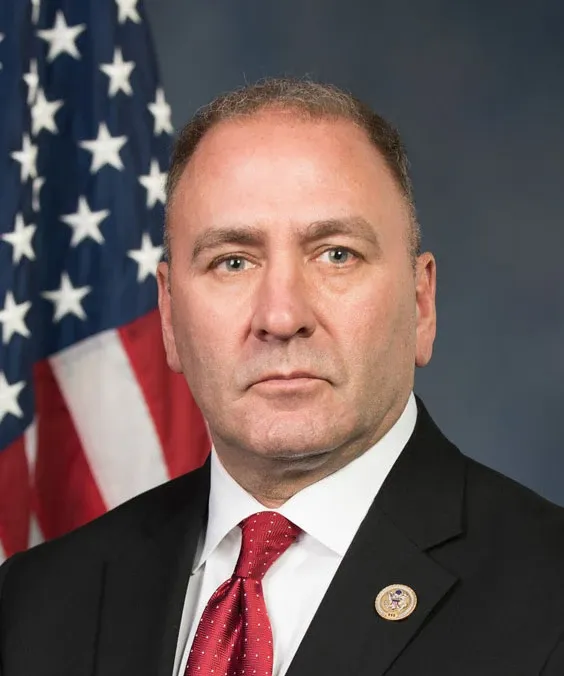
David Vitter is a former United States Senator from Louisiana, serving from 2005 to 2017. A member of the Republican Party, Vitter was known for his focus on issues such as transportation, infrastructure, and environmental policy. During his tenure, he served on various Senate committees, including the Environment and Public Works Committee, where he addressed topics like water quality and pharmaceuticals in the nation's waters.
Mr. Podonsky, in the event of a potential future strike at one or more SNM I sites...
Mr. Podonsky and Mr. Aloise, are the salaries and benefits of the protective force competitive?
Mr. Podonsky, what is the anticipated timeline for implementing those recommendations the Department has already agreed to apply?
I look forward to working with you to strengthen our ability to counter all threats, including potential terrorist threats to our defensive nuclear capabilities.
Mr. Podonsky and Mr. Aloise, does the notion that the secure transport force has to transport nuclear materials across State lines and in an inherently mobile fashion constitute any rationale for requiring that they have full Federal…
Mr. Podonsky and Mr. Aloise, I understand that if a federalization model were pursued the current forces would risk a loss in pay and perhaps their jobs as they would be required to recompete for the same job under a federalized structure.
the National Defense Authorization Act for Fiscal Year 2010 directs the Secretary of Energy and the Administrator of the NNSA to develop a comprehensive, Department of Energy (DOE)-wide plan to identify and implement the recommendations of…
Mr. Podonsky, does the DOE intend to pursue the implementation of all 29 recommendations cited in the June 2009 report on Enhanced Career Longevity and Retirement Options for DOE protective forces personnel?
Mr. Podonsky and Mr. Aloise, how do attrition rates for the protective forces compare to similar positions in the private sector?
Mr. Podonsky and Mr. Aloise, is the Department having any difficulty in the recruitment or quality of the protective force?
Mr. Podonsky, has the Department fully estimated the cost implications of doing so, and if so, what is the estimated unbudgeted cost, and if not, when will you be able to provide those costs to Congress?
I was troubled to hear that one issue unaddressed in the report may be that some within the protective force are not taking advantage and/or using the employer contributing vehicles to save for their retirement.
Mr. Podonsky and Mr. Aloise, is the secure transport force subjected to a higher level of training than the protective force?
I don't think you were the original or prime architect of this budget at all.
I rise to talk about what I believe should be our top priority, almost our exclusive focus in terms of immediate work, and that is the issue of jobs and the economy. Doing so, I applaud the fact that finally as a body we are somewhat…
I will be a strong, fierce, and active opponent of that, should that be proposed.
resources without vision is a waste of time and money. And that's what I think this budget represents.
The very lifeblood and continued relevance of our Nation's proud and pioneering space program hangs in the balance.
this budget, canceling every major internal human spaceflight program in sight--most obviously, Constellation--extends their gap, as I said, to infinity.
Well, I'll be honest with you, I'm afraid they're going to look at the messages of this budget, and if they want to be an astronaut, they're going to conclude, 'Forget it.' That's my concern.
I absolutely believe that this budget and the vision it represents would end our human spaceflight program as we know it.
This budget, as the Chairman very correctly noted, is a budget without a mission.
Politicians like David Vitter