Feb 27, 2024
Thank you, Chair Sanders. A little odd, the focus today seems to be promoting the defined benefits system.
The Public Record
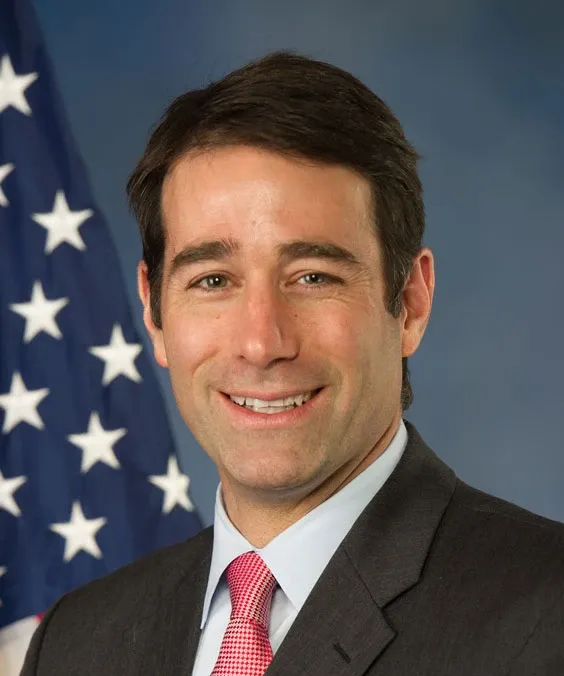
Bill Morgan Cassidy is an American politician and physician currently serving as the junior United States Senator from Louisiana, a position he has held since January 6, 2015. A member of the Republican Party, Cassidy has focused on various issues during his tenure, including healthcare, veterans' affairs, and economic development. He has been an advocate for reforms in the healthcare system and has expressed strong opinions on public health policies, including vaccination schedules.
Thank you, Chair Sanders. A little odd, the focus today seems to be promoting the defined benefits system.
Importantly, Congress just passed Secure Act 2.0 on a bipartisan basis, making improvements to our Nation's retirement system.
I hope the Chair will indulge with a markup of these bipartisan pieces of legislation.
Since ERISA, the defined benefits system has been largely replaced by the defined contribution which has flourished.
If you have got an initial high price, no matter what your value-based purchasing arrangement is, it could still be something which society could not afford.
Clearly, patents are part of the free market system, is the way that you protect intellectual property, and you incent creativity.
Somebody is paying. Yes, insurance is making it more affordable. Medicaid is making it more affordable. Medicare is making it more affordable.
I think I recall a couple of years ago there was a study that was shown, respected, and you probably know it better than I, that $2 million for gene therapy for ultra-rare diseases was a reasonable sort of--it would cover the cost.
Now, the affordability though, we are defining affordability for the patient. So, if Medicaid covers it, it is by definition affordable for the patient, or if the insurance does.
Very concisely, how are we going to show restraint on the price of some of these new gene therapies?
We support legislation in order to be able to do value based contracts in the case of gene therapy.
I have been concerned that we don't really know how we are going to price those.
For the sake of those who are watching, a rebate wall is an anti-competitive tool which can be used to restrict a competitor's entry into a formulary.
Let's make a difference for the people whom we represent--for those patients in hospitals who I once treated who otherwise would not have access to care.
It is kind of following a formula. Republicans--we publicly attack private--I don't but others, publicly attack private citizens for being successful under capitalism.
Let's just be clear, everybody on this panel cares about the high cost of prescription drugs and wants to work on real solutions to address this.
Have you had a chance to evaluate the bill that is working its way through Judiciary Committee?
If you have got an initial high price, no matter what your value-based purchasing arrangement is, it could still be something which society could not afford.
Somebody is paying. Yes, insurance is making it more affordable. Medicaid is making it more affordable. Medicare is making it more affordable.
Politicians like Bill Cassidy