John Yarmuth
The Public Record
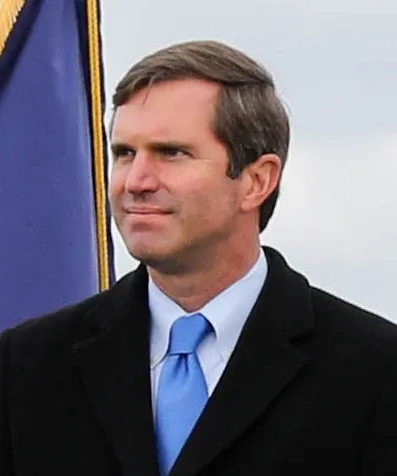
John Yarmuth is a former U.S. Representative from Kentucky, serving in the House from January 4, 2007, to January 3, 2021. A member of the Democratic Party, Yarmuth represented Kentucky's 3rd congressional district. During his time in office, he was known for his work on issues such as healthcare, education, and fiscal responsibility. He served on several committees, including the House Budget Committee, where he played a significant role in shaping budgetary policies.
Apr 11, 2018
We have a deficit problem. We have a debt problem. It must be because of out-of-control spending.
Apr 11, 2018
I predicted that the fiscal and budgetary plan of the majority was in two parts.
Mar 13, 2018
I think it is been very helpful today and kind of puts a finishing touch, to a certain extent, on a very productive series of hearings.
Mar 13, 2018
What we have in our broken budget process is not a structural or procedural issue as so much as a human issue.
Mar 13, 2018
The truth is Congress simply could not function effectively without CBO's budget estimates and analyses.
Mar 13, 2018
I have this knack for asking questions that I really do not expect a certain answer to.
Mar 13, 2018
The problem of long term forecasting and long term budgeting... we have gotten around it by certain gimmicks.
Mar 6, 2018
CBO also provides cost estimates for legislation being considered by Congress, which are extremely important in detailing a bill's potential impact.
Mar 6, 2018
In another day, we are going to start a process, Mr. Woodall is part of it, Chairman Womack and I are part of it, a bicameral bipartisan effort to analyze the budgeting and appropriations process and see if there are solutions we can come…
Mar 6, 2018
CBO tells Congress what we need to know regardless of whether or not it is what we want to hear.
Mar 6, 2018
CBO has never claimed, nor has it ever been expected, to perfectly predict the future.
Mar 6, 2018
I do not think any outside analysis of the ACA anticipated that so few companies would actually make that decision.
Mar 6, 2018
I appreciate your holding this hearing. I am pleased to join you in welcoming our witnesses for Members' Day.
Mar 6, 2018
CBO, a nonpartisan agency, has provided Congress with objective and impartial information about budgetary and economic issues.
Mar 6, 2018
When CBO scored the ACA, we were talking about something that it affects somewhere around 16 to 18 percent of the economy.
Feb 26, 2018
During the debate on the Affordable Care Act, long ago as that was, I called healthcare policy a giant Rubik's Cube.
Feb 26, 2018
Now it is still unclear to me if that was the goal of my Republican colleagues or an unintended consequence, but either way, it is critical information for us to have.
Feb 26, 2018
I do think it is important to point out that it would have made more sense to hold this hearing before voting on the majority's bill to repeal the Affordable Care Act and gut Medicaid.
Feb 26, 2018
My Democratic colleagues and I have grave concerns about many of his policies including massive cuts to healthcare, antipoverty programs, and investments in economic growth.
Feb 26, 2018
There is absolutely no way we can responsibly legislate on behalf of the American people without knowing the entire impact of our healthcare proposals.
Feb 13, 2018
A huge increase in what we are spending on defense. Absolutely a huge amount of increase.
Politicians like John Yarmuth