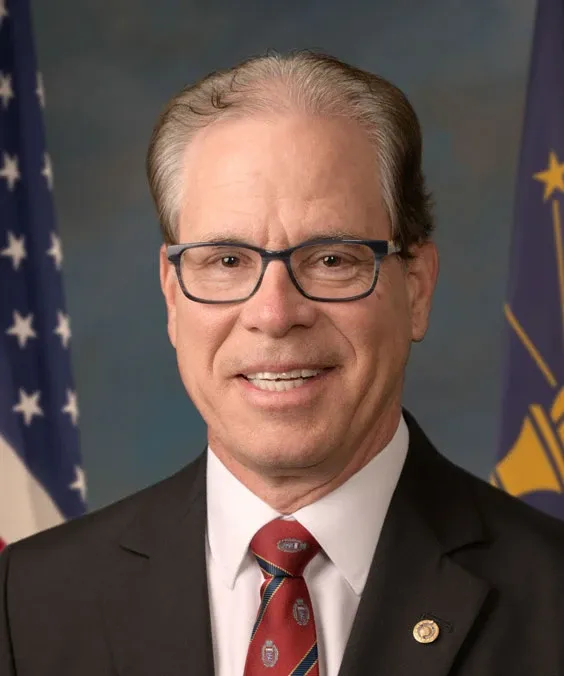
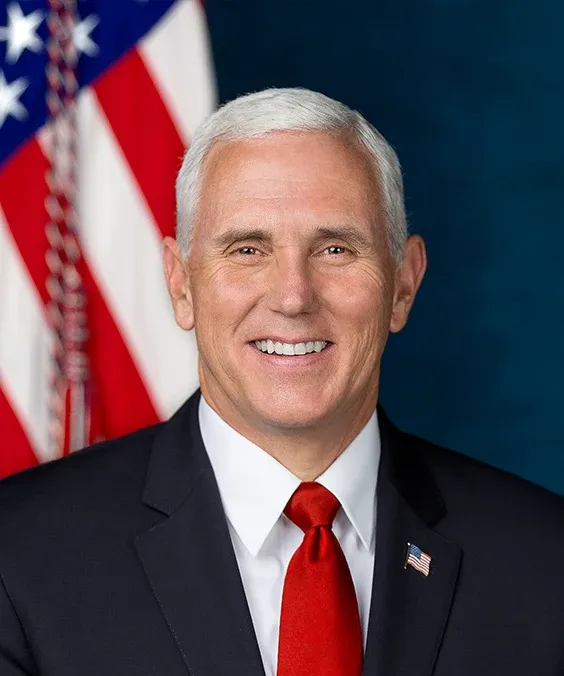
Too much emphasis cannot be put upon the fact that the mercantile and financial interests were the weightiest of all the influences for the Constitution; the debtors and agricultural interests the strongest groups against it.
Albert Beveridge
The Public Record
Albert Jeremiah Beveridge was an American historian and United States senator from Indiana. He was an intellectual leader of the Progressive Era and a biographer of Chief Justice John Marshall and President Abraham Lincoln.
gutenberg.org
It deserves repetition, for a proper understanding of the craft and force practiced by both sides in the battle over ratification, that those who owed debts were generally against the Constitution and practically all to whom debts were due…
Not for John Marshall the pallid rôle of the trimmer, but the red-blooded part of the man of conviction.
These small Politicians, returned home, ... tell their Constituents such & such measures are taking place altho' I did my utmost to prevent it--The People must take care of themselves or they are undone.
Now, at last, the new Constitution is to be really debated; and debated openly before the people and the world.
For the first time, too, it is to be opposed in argument by men of the highest order in ability, character, and standing--men who cannot be hurried, or bullied, or shaken, or bought.
The struggle of these rude and unlearned Massachusetts men against the cultured, disciplined, powerful, and ably led friends of the Constitution in that State was pathetic.
O Liberty! thou greatest good! thou fairest property! with thee I wish to live--with thee I wish to die!
Pardon me if I drop a tear on the peril to which she is exposed: I cannot, sir, see this brightest of jewels tarnished--a jewel worth ten thousand worlds; and shall we part with it so soon?
Thus it is that the refusal of forty-six Massachusetts towns to send representatives to the State Convention changed the destiny of the Republic.
The most diabolical plan is on foot to corrupt the members of the Convention, who oppose the adoption of the new Constitution.
John Marshall was for the proposed National Government, outright and aboveboard.
The danger of the Constitutionalists lay in a general debate on the large theory and results of the Constitution; their safety, in presenting in detail the merits of its separate parts.
While the fight over the Constitution was partly an economic class struggle, it was in another and a larger phase a battle between those who thought nationally and those who thought provincially.
In hostile array were two central ideas: one, of a strong National Government acting directly on men; the other, of a weak confederated league merely suggesting action to States.
In this fundamental struggle of antagonistic theories, the practical advantage for the hour was overwhelmingly with those who resisted the Constitution.
It was, to the masses, something new, vague, and awful; something to oppress the poor, the weak, the debtor, the settler; something to strengthen and enrich the already strong and opulent, the merchant, the creditor, the financial…
His refusal to sign it because of changes which he thought necessary, and his conversion to the extreme Constitutionalist position, which he now, for the first time, was fully to disclose, made him the strongest single asset the…
Who but the people have a right to form government?...
What have the state governments to do with it?" Had the Federal Convention exceeded its powers?
Sovereignty of the states ... rights of conscience, trial by jury, liberty of the press, ... all pretensions of human rights and privileges" were imperiled if not lost by the change.
The method of amendment provided in the Constitution, exclaimed Henry, was a mockery--it shut the door on amendment.
Why, then, attempt "to terrify us into an adoption of this new form of government?...
Who knows the dangers this new system may produce?
Our children see this and learn to imitate it....
Politicians like Albert Beveridge