Was this the way a people fighting for their freedom confronted their enemy?
Albert Beveridge
The Public Record
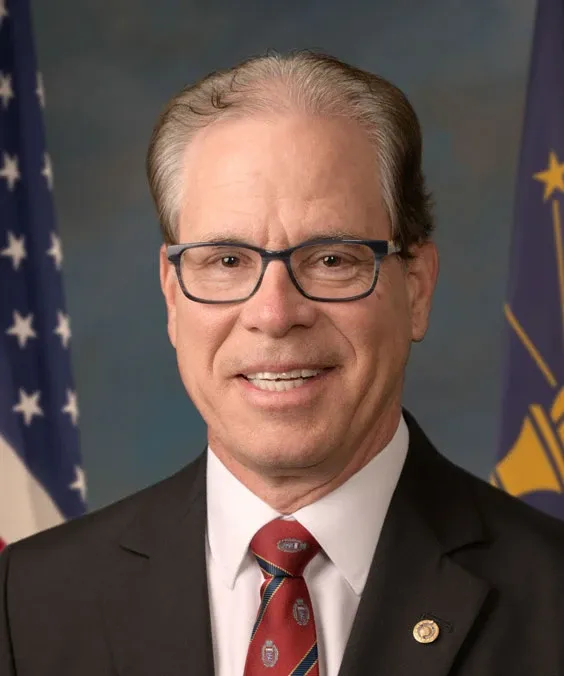
Albert Jeremiah Beveridge was an American historian and United States senator from Indiana. He was an intellectual leader of the Progressive Era and a biographer of Chief Justice John Marshall and President Abraham Lincoln.
gutenberg.org
And indeed at this time, and in the even deadlier days that followed, young John Marshall found strong men by his side willing to die and to go through worse than death to make their great dream come true.
Why this want of food even for such of the soldiers as were willing and eager to fight for their country?
Why this avoidable sickness, this needless suffering, this frightful waste?
Congress had no power; after a while, it did not even have influence.
How could war be conducted, how could battles be fought and won, through such freakish, uncertain power as that?
For, testifies Marshall, "many of their muskets were scarcely fit for service; and being of unequal caliber, their cartridges could not be so well fitted, and consequently, their fire could not do as much execution as that of the enemy.
It is small wonder that the Americans were beaten in the battle of the Brandywine; indeed, the wonder is that the British did not follow up their victory and entirely wipe out the opposing patriots.
But it is astonishing that the American army kept up heart.
How fruitless the expense of blood!" Washington alone can end it.
The commissariat failed miserably, perhaps dishonestly, to relieve the desperate want.
He comes, and crys with an air of wretchedness & despair--I am Sick--my feet lame--my legs are sore--my body cover'd with this tormenting Itch--my Cloaths are worn out--my Constitution is broken--my former Activity is exhausted by…
One of these poor unhappy men--drove to the last extreem by the rage of hunger--eat his own fingers up to the first joint from the hand, before he died.
Others eat the Clay--the Lime--the Stones--of the Prison Walls.
From the first these Christian socialists were the Good Samaritans of that ghastly winter.
Valley Forge poured upon it a Niagara of starvation, disease, and death.
One building, scarcely large enough for two hundred and fifty beds, was packed with nearly a thousand sick and dying men.
Many died on the same foul pallet before it could be changed.
Need, was there not, at Valley Forge for men of resolve so firm and disposition so sunny that they would not yield to the gloom of these indescribable months?
Need, was there not, among these men, for spirits so bright and high that they could penetrate even the death-stricken depression of this fetid camp with the glow of optimism and of hope?
If any of the officers murmured at their deprivations, he would shame them by good-natured raillery, or encourage them by his own exuberance of spirits.
Professor Channing sums it all up when he declares: "Of all men in history, not one so answers our expectations as Washington.
He loved to write theories into laws that correct civil abuses by wholesale, and to promote the common good by sweeping statutes.
It is not even possible that America should be happy, unconnected with Great Britain." In case America should win, the States will fall asunder from civil discord.
His wrath at Lee's retreat unleashed the lion in him.
Politicians like Albert Beveridge