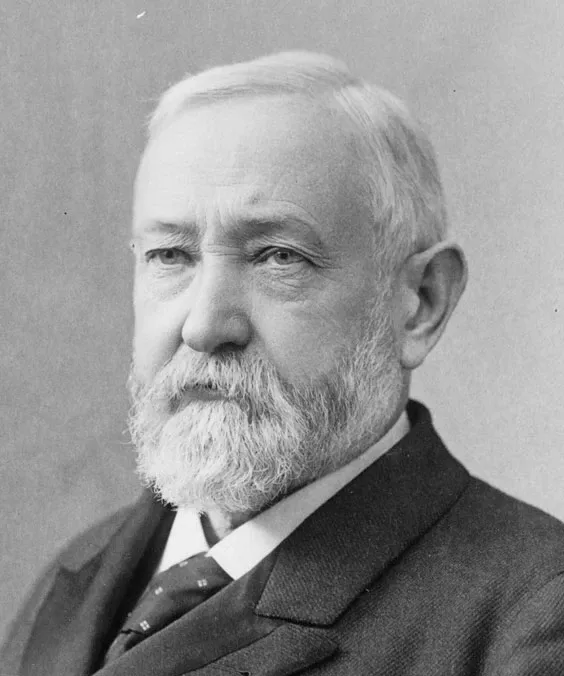
Had he allowed his feelings to influence his judgment; had he permitted his prejudices to affect his reason; had he heeded the desires of political friends--his opinion in the case of the Exchange would have been the reverse of what it was.
Albert Beveridge: “Had he allowed his feelings to influence his judgment; had he permitted his prejudices to affect his reason; had he…”
Editor's note · Context
Beveridge discusses the importance of impartiality in judicial decision-making, using Marshall's case as an example.
Share
More from Albert Beveridge
When he promotes his own, he promotes that of the community.
Is not liberty secure with us, where the people hold all powers in their own hands, and delegate them cautiously, for short periods, to their servants, who are accountable for the smallest mal-administration?...
He has raised the American people in their own esteem, and, if the influence of truth and justice, reason and argument is not lost in Europe, he has raised the consideration of the United States in that quarter of the world....
Thus provincialism in the form of States' Rights was given a fresh impulse and a new vitality.