Jun 23, 2011
I appreciate the Chair's desire to continue to hold the hearings on Yucca Mountain.
The Public Record
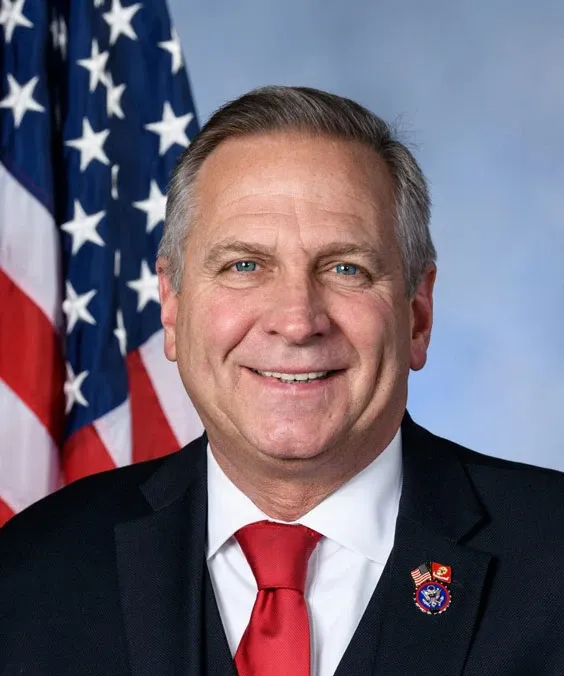
John Shimkus is a former U.S. Representative from Illinois, serving in the House from January 7, 1997, until January 3, 2021. A member of the Republican Party, he represented Illinois's 15th congressional district. During his tenure, Shimkus was known for his work on issues related to energy, environment, and agriculture, often advocating for policies that supported these sectors. He served on several committees, including the Energy and Commerce Committee, where he focused on energy policy and environmental regulations.
I appreciate the Chair's desire to continue to hold the hearings on Yucca Mountain.
Today we continue the committee's efforts to understand the decision-making process at the NRC, in particular when it comes to the closure of Yucca Mountain.
There should be a cost-benefit analysis and a job on new rules and regulations.
The delay of the SER report is a delay of science-based information for Yucca.
Would you agree that the decisions surrounding the Yucca Mountain application review have profound national policy implications? Wouldn't you agree that it is a policy matter?
Is strategically withholding information from different commissioners consistent with "ensuring that the Commission is fully and currently informed?"
According to your investigation, the chairman "strategically provided three of the four commissioners with varying amounts of information about his intention to not complete the safety evaluation report."
Chairman Jaczko did not ensure that each commissioner understood the implications of the guidance?
I support a thorough investigation into the Yucca Mountain and the actions of the NRC, but any such investigation should be fair and nonpartisan.
The chairman says that the IG report 'reveals a calculating and political NRC chairman who has abused his authority and withheld information from fellow Commissioners.'
When confronted by one Commissioner about this, Chairman Jaczko merely insulted his colleague by sarcastically retorting, 'You should have asked.'
There is outright malfeasance. The report is replete with instances of Chairman Jaczko deliberately misleading both his fellow Commissioners and senior staff at the NRC.
The Chairman's neglect of this duty alone is shocking as it denies to the parties of interest a full, timely determination.
It is unbelievable that 1 week after the Nuclear Waste Policy Act says that the NRC must either approve or deny the license application or formally notify Congress as to why it needs more time, the Commission cannot even reach the question…
Today, we take another step in understanding the management breakdown at the NRC.
Although I am not a lawyer, it would seem to me the department is not following the law.
And so we appreciate your being here and we appreciate a local voice in this debate on what the local citizens want to do.
Let us have an interim strategy we can all agree on. Let us try to work together on that.
The law says further that DOE shall file an application for a license to construct the repository, correct?
It is time for the Administration to follow the letter of the law... and to bring the Yucca Mountain project online.
I will lay my body down on those railroad tracks to prevent any train that has nuclear waste in it from going to Yucca Mountain.
The decision to halt the Yucca Mountain license application and review is politics at its worst at its highest levels.
Politicians like John Shimkus